


Proteins are vital nutrients that play a crucial role in maintaining the health and functionality of the human body. They are not only essential for building and repairing tissues but also serve as a significant source of energy. Understanding the importance of proteins in our diet can help us make informed choices about our nutritional needs and overall health.
Proteins as Building Blocks
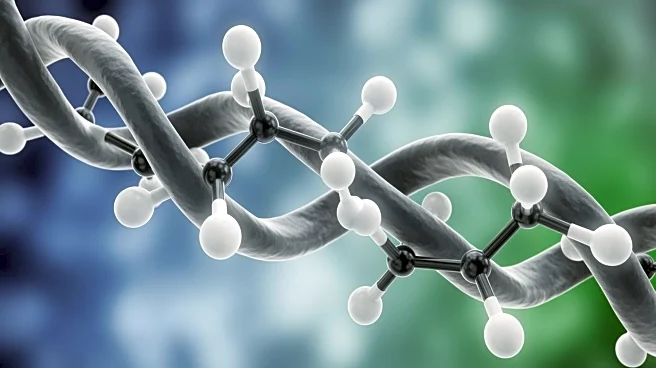
Proteins are composed of amino acids, which are the building blocks necessary for the growth
and repair of body tissues. These amino acids are linked together by peptide bonds to form long chains, known as polypeptides. During digestion, proteins are broken down into smaller polypeptide chains in the stomach through the action of hydrochloric acid and protease enzymes. This process is essential for the absorption of amino acids, which the body cannot synthesize on its own.
There are nine essential amino acids that humans must obtain from their diet to prevent protein-energy malnutrition. These include phenylalanine, valine, threonine, tryptophan, methionine, leucine, isoleucine, lysine, and histidine. The human body can synthesize five other amino acids, while six are considered conditionally essential, meaning their synthesis can be limited under certain conditions.
Dietary Sources of Protein
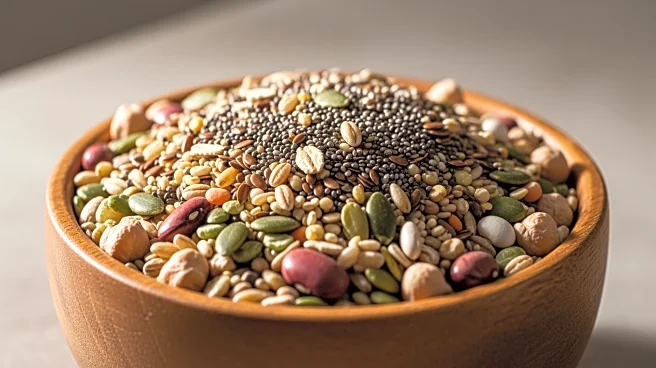
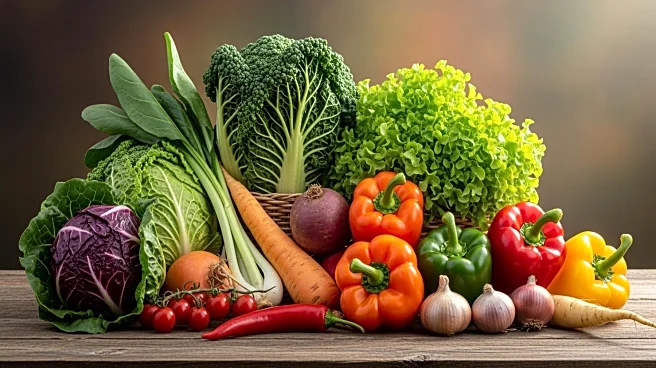
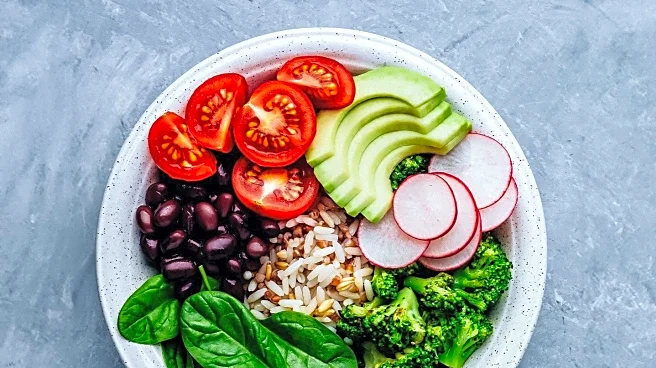
Proteins are found in a wide variety of foods, making it possible to meet dietary needs through a balanced diet. Animal-based sources such as meat, dairy products, fish, and eggs are rich in protein. Plant-based sources include grains, legumes, nuts, and seeds. In many parts of the world, plant proteins contribute significantly to the per capita supply of protein, while in North America, animal-derived foods are the primary sources.
Insects are also a source of protein in many regions, with some areas in Africa deriving up to 50% of their dietary protein from insects. Protein powders, such as casein, whey, and soy, are processed sources of protein often used as supplements, although a balanced diet typically provides sufficient protein without the need for supplementation.
The Importance of Protein Quality
The quality of protein is determined by its amino acid composition and digestibility. Complete proteins contain all nine essential amino acids in adequate proportions, while incomplete proteins may lack one or more essential amino acids. However, combining different protein sources can provide a complete amino acid profile, even for those following vegetarian or vegan diets.
Protein quality is often assessed using methods such as the Protein Digestibility Corrected Amino Acid Score (PDCAAS), which evaluates the amino acid content and digestibility of a protein source. This score helps determine the nutritional value of proteins in the diet, ensuring that individuals receive the necessary nutrients for optimal health.
Understanding the role of proteins in human nutrition highlights their importance in maintaining a healthy and balanced diet. By incorporating a variety of protein sources, individuals can ensure they meet their nutritional needs and support overall well-being.