


Anantasana, also known as the Sleeping Vishnu Pose, is a yoga posture that carries a rich historical and linguistic background. This pose, part of modern yoga practice, is steeped in ancient mythology and language, offering a fascinating glimpse into the cultural tapestry from which it emerged. Understanding the origins and etymology of Anantasana not only enriches the practice but also connects practitioners to a broader historical context.
The Mythological Roots
The name
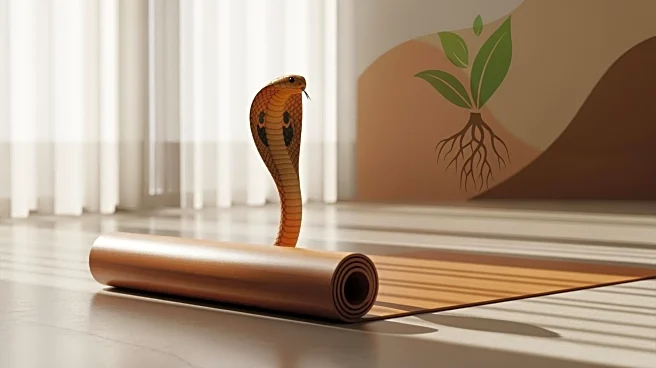
Anantasana is derived from the Sanskrit word "anantā," meaning "infinite" or "without end." This term is closely associated with the mythological serpent Shesha, also known as Ananta, upon which the Hindu god Vishnu is said to rest. In Hindu mythology, Shesha is depicted as a thousand-headed serpent that floats on the cosmic ocean, symbolizing eternity and the infinite nature of the universe. Vishnu's repose on Shesha represents the balance and harmony of the cosmos, a theme that resonates deeply with the principles of yoga.
The connection to Vishnu and Shesha imbues Anantasana with a sense of timelessness and spiritual depth. Practitioners of this pose are not merely engaging in a physical exercise but are also participating in a tradition that honors the infinite and eternal aspects of existence. This mythological background provides a rich narrative that enhances the meditative and reflective qualities of the pose.
Linguistic Significance
The term "asana" in Anantasana translates to "posture" or "seat" in Sanskrit, a common suffix in the names of yoga poses. The combination of "anantā" and "asana" thus forms a name that signifies a posture of infinity or endlessness. This linguistic construction is not only descriptive of the physical form of the pose but also reflects the philosophical underpinnings of yoga as a practice aimed at transcending the finite limitations of the body and mind.
The use of Sanskrit in naming yoga poses is a nod to the ancient roots of the practice, preserving the language and its cultural significance. For practitioners, understanding the etymology of Anantasana can deepen their appreciation of the pose and its place within the broader tradition of yoga.
Historical Development
Anantasana, as it is practiced today, has evolved over time. A different reclining pose with the same name was documented in the 19th-century text Sritattvanidhi, indicating that the concept of Anantasana has been part of yoga for centuries. The modern version of the pose, as described in B.K.S. Iyengar's 1966 book "Light on Yoga," involves lying on one's side, supporting the head with one hand, and lifting the opposite leg while grasping the big toe.
This evolution of Anantasana from its historical roots to its current form highlights the dynamic nature of yoga as a living tradition. It reflects how ancient practices are adapted and reinterpreted to meet the needs of contemporary practitioners while maintaining a connection to their origins. Understanding this historical trajectory allows practitioners to appreciate the continuity and change within the practice of yoga.