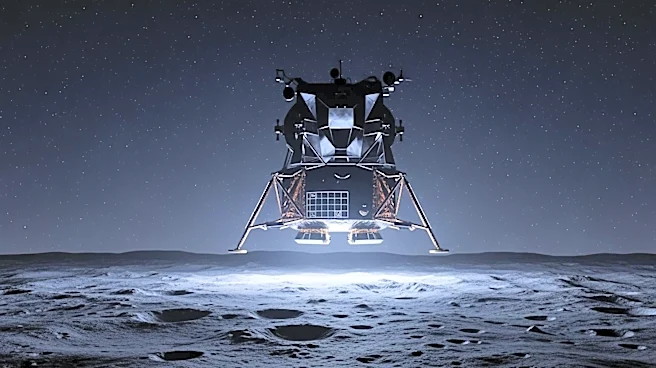




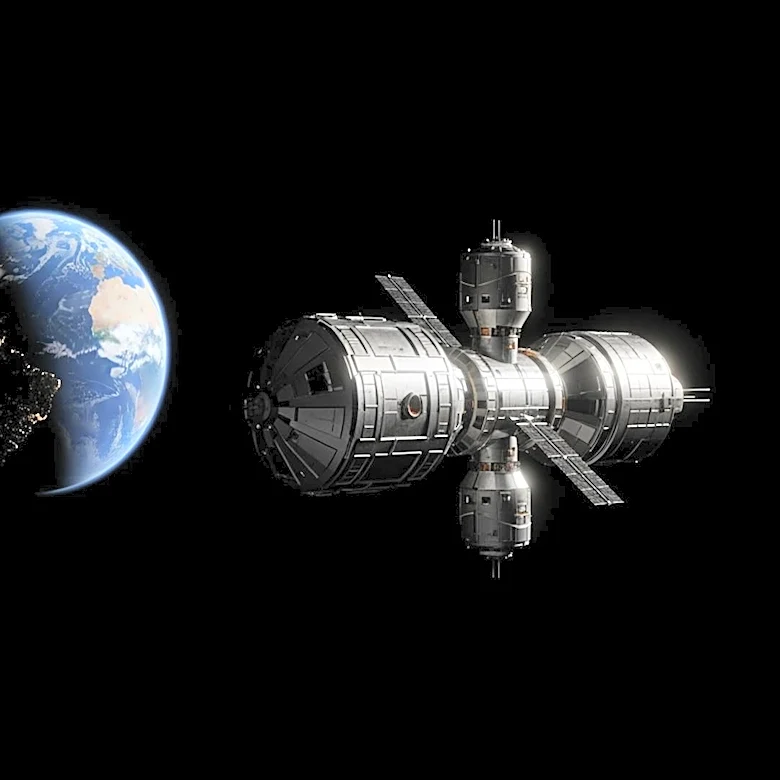



President John F. Kennedy played a crucial role in shaping the United States' space program during the early 1960s. His vision for space exploration was ambitious, setting the goal of landing a man on the Moon and returning him safely to Earth before the end of the decade. This vision was a driving force behind the Apollo program and the Space Race.
The Political Context and Announcement
Kennedy's commitment to space exploration was influenced by the geopolitical context of the Cold War.
The Soviet Union's early successes in space, including the launch of Sputnik and the first human in space, Yuri Gagarin, challenged American technological and political leadership. Kennedy saw space exploration as a way to demonstrate American superiority and inspire national pride.
On May 25, 1961, Kennedy addressed Congress, proposing that the United States commit to landing a man on the Moon. He emphasized the importance of this goal for national security and scientific advancement, stating that no single space project would be more impressive or important. This announcement set the stage for the Apollo program and galvanized support for NASA's efforts.
The Impact on NASA and the Apollo Program
Kennedy's vision led to significant changes within NASA, including increased funding and the expansion of its capabilities. The Apollo program was tasked with achieving the Moon landing, requiring the development of new technologies and the construction of facilities like the Kennedy Space Center and the Johnson Space Center.
The program faced numerous challenges, including technical difficulties and the tragic loss of the Apollo 1 crew. However, Kennedy's vision provided a clear goal that motivated scientists, engineers, and astronauts to overcome these obstacles. The commitment to landing on the Moon drove innovation and collaboration across various fields, ultimately leading to the successful Apollo 11 mission.
Kennedy's Legacy in Space Exploration
Although Kennedy did not live to see the fulfillment of his vision, his impact on space exploration is undeniable. The successful Moon landing in 1969 was a testament to his foresight and leadership, marking a significant achievement in human history. Kennedy's vision continues to inspire space exploration efforts today, as nations and private companies pursue new goals in space.
Kennedy's legacy is reflected in the ongoing exploration of space, including missions to Mars and beyond. His belief in the power of space exploration to unite and inspire humanity remains relevant, as the world continues to look to the stars for new opportunities and discoveries.