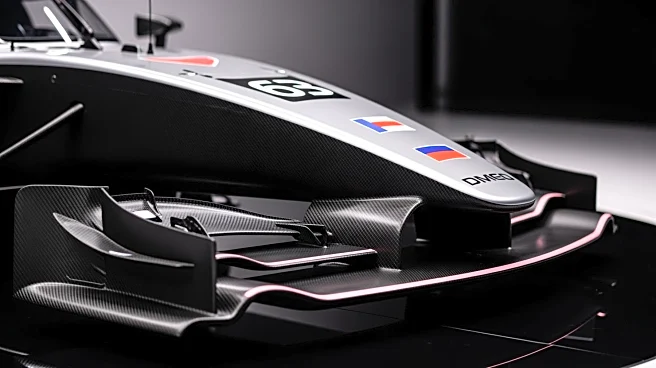




Formula 3000 was not only a proving ground for drivers but also a hotbed for technical innovation in motorsport. Throughout its existence from 1985 to 2005, the series saw numerous advancements that shaped the future of racing technology. This article explores the key technical innovations that emerged during the Formula 3000 era, highlighting their impact on the series and the broader motorsport industry.
Chassis and Aerodynamics
One of the most significant technical changes
in Formula 3000 was the evolution of chassis design. Initially, the series allowed multiple manufacturers to compete, leading to a diverse range of designs and innovations. However, by 1993, the championship featured only one make of chassis, although the rules remained open to multiple manufacturers. This shift aimed to reduce costs and ensure a level playing field, focusing on driver skill rather than technological superiority.
Aerodynamic advancements were also crucial in enhancing the performance of Formula 3000 cars. Teams continually sought to improve downforce and reduce drag, leading to more competitive racing. The introduction of manual sequential gearboxes further improved the driving experience, allowing for quicker and more precise gear changes.
Engine Development
Engine technology was another area where Formula 3000 saw significant advancements. The series was named after the 3.0-liter engines that powered the cars, and throughout its history, manufacturers pushed the boundaries of engine performance. Cosworth introduced new engines to compete with existing power units, driving innovation and competition within the series.
The introduction of low-crank engines and the competition between different engine manufacturers, such as Judd and Cosworth, led to a continuous evolution of power units. These advancements not only improved the performance of Formula 3000 cars but also influenced engine development in other racing series.
Impact on Motorsport
The technical innovations in Formula 3000 had a lasting impact on the motorsport industry. The series served as a testing ground for new technologies, many of which were later adopted in higher-tier racing categories, including Formula One. The focus on reducing costs and leveling the playing field set a precedent for future racing series, emphasizing the importance of driver skill over technological dominance.
Formula 3000's legacy in technical innovation is evident in the advancements that continue to shape modern motorsport. The series provided a platform for experimentation and development, contributing to the evolution of racing technology and the enhancement of the overall racing experience.