


Facial masks have become a cornerstone of modern skincare routines, offering a range of benefits from hydration to anti-aging. With advancements in skincare technology, facial masks have evolved to address various skin concerns, making them an essential part of many people's beauty regimens. This article explores the different types of facial masks available today and their benefits.
Types of Facial Masks
In today's skincare market, there is a wide variety of facial masks
to choose from, each designed to target specific skin issues. Sheet masks, for example, are made from paper, cellulose, or fabric and are infused with serums that deliver concentrated ingredients to the skin. These masks are popular for their convenience and effectiveness in providing hydration and nourishment.
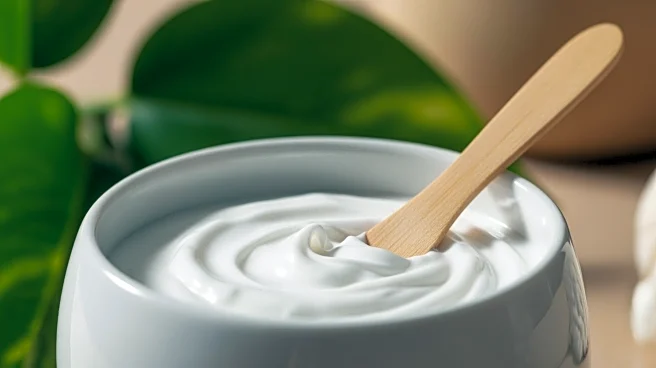
Clay and mud masks are another popular option, particularly for those with oily or acne-prone skin. These masks work by absorbing excess oil and impurities from the skin, leaving it feeling clean and refreshed. Cream-based masks, on the other hand, are ideal for dry skin types as they provide deep hydration and help restore the skin's moisture barrier.
LED facial masks represent a more high-tech approach to skincare. These masks use light therapy to address various skin concerns, such as acne and signs of aging. Blue light is used to target acne-causing bacteria, while red light stimulates collagen production and reduces hyperpigmentation.
Benefits of Facial Masks
Facial masks offer numerous benefits, making them a valuable addition to any skincare routine. One of the primary advantages is their ability to deliver active ingredients directly to the skin, providing targeted treatment for specific concerns. Ingredients like hyaluronic acid, collagen, and antioxidants are commonly found in facial masks, offering hydrating, rejuvenating, and protective effects.
Masks can also help improve the skin's texture and appearance by tightening pores, increasing skin clarity, and reducing the appearance of wrinkles. Regular use of facial masks can lead to a more radiant and youthful complexion, making them a popular choice for those seeking to enhance their skin's overall health and appearance.
Incorporating Masks into Your Routine
To get the most out of facial masks, it's important to choose the right type for your skin type and concerns. For example, those with oily skin may benefit from clay masks, while individuals with dry skin should opt for cream-based masks. It's also essential to use masks on cleansed skin to ensure maximum absorption of the active ingredients.
Incorporating facial masks into your skincare routine can be as simple as using them once or twice a week, depending on your skin's needs. By doing so, you can enjoy the numerous benefits that these masks offer, from improved hydration to a more youthful appearance.
In conclusion, facial masks have become an indispensable part of modern skincare, offering targeted solutions for a variety of skin concerns. With the right mask, you can achieve healthier, more radiant skin and enhance your overall beauty regimen.