


Abigail Fillmore, born Abigail Powers, was a woman of remarkable intellect and resilience, whose journey from a schoolteacher to the First Lady of the United States is both inspiring and intriguing. Her life was marked by personal achievements and challenges, as she navigated the complexities of her role alongside her husband, President Millard Fillmore. This article delves into her early life, her marriage, and her contributions as First Lady, highlighting
her enduring legacy.
Early Life and Education
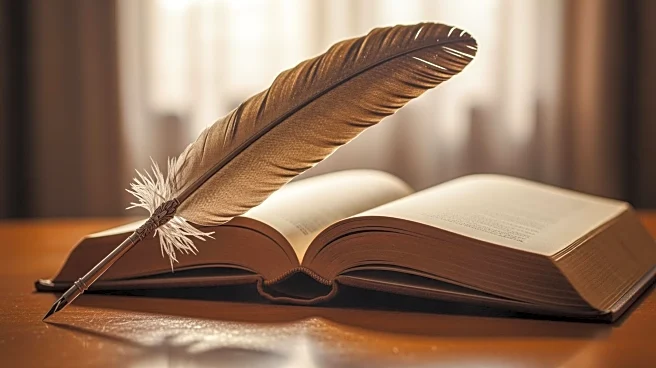
Abigail Powers was born on March 13, 1798, in Stillwater, New York. She was the youngest of seven children in a family that faced financial difficulties after the death of her father, Reverend Lemuel Powers, when she was just two years old. Despite these challenges, Abigail's mother, a schoolteacher, instilled in her a love for learning. Abigail had access to her father's extensive library, which fueled her passion for literature and education.
At the age of 16, Abigail began her career as a schoolteacher, a path that would eventually lead her to become the first First Lady with a professional background. Her teaching career was not just a job but a testament to her dedication to education and self-improvement. She continued to advance her own education, learning subjects such as math, government, and philosophy, and even mastering French and piano.
Marriage and Family
While teaching at New Hope Academy, Abigail met Millard Fillmore, who was her student. Their engagement in 1819 marked the beginning of a lifelong partnership, though they did not marry until 1826 due to financial constraints. Abigail's family initially discouraged the union, but her determination and Millard's eventual success as an attorney paved the way for their marriage.
The couple had two children, Millard Powers Fillmore and Mary Abigail Fillmore. Abigail continued to teach until the birth of their first child, demonstrating her commitment to both her family and her profession. The Fillmores moved to Buffalo, New York, where Millard's political career flourished, and Abigail played a crucial role in managing their household and supporting his endeavors.
Contributions as First Lady
Abigail Fillmore became the First Lady in 1850 when Millard Fillmore assumed the presidency after the death of President Zachary Taylor. Her tenure as First Lady was marked by her establishment of the first White House Library, reflecting her lifelong appreciation for literature. The library became a cultural hub, hosting writers and artists, and serving as a space for intellectual exchange.
Despite her poor health, Abigail was actively involved in political discussions, often advising her husband on state affairs. Her role as First Lady was not limited to social functions; she was a trusted confidante and advisor to the president. Abigail's legacy as First Lady is remembered for her intellectual contributions and her efforts to make the White House a center of culture and learning.