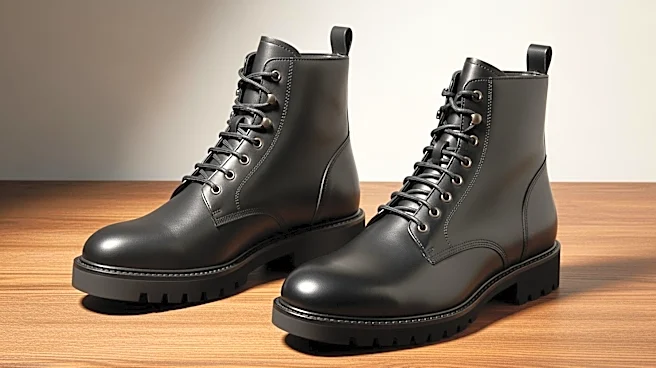

Fashion boots have undergone a remarkable transformation over the years, evolving from practical footwear to a staple in women's wardrobes. Initially designed for utilitarian purposes, these boots have become
a symbol of style and fashion. This article delves into the historical journey of fashion boots, highlighting key milestones and changes in their design and popularity.
Early Beginnings and Practical Use
In the 19th and early 20th centuries, boots were primarily worn for practical reasons. Ankle and calf-length boots were common, providing protection and support for women as they navigated daily life. The rise of hemlines in women's fashion led to longer styles becoming popular, with knee-length boots making a notable appearance. Denise Poiret, the wife of French couturier Paul Poiret, caused a sensation by wearing knee-length boots in 1913, showcasing their potential as a fashion item.
The development of vulcanized rubber by Charles Goodyear played a significant role in the evolution of boots. This innovation allowed for the creation of elastic gusset boots, which were easier to put on and take off. By the late 1840s, these boots had become fashionable, marking the beginning of their transition from utility to style.
The Rise of Fashion Boots in the 1960s
The 1960s marked a turning point for fashion boots, as they gained recognition as high fashion items. Designers like André Courrèges and Yves Saint Laurent introduced iconic styles that captured the imagination of the fashion world. Courrèges' white leather calf-length boots and Saint Laurent's thigh-length alligator skin boots became symbols of the era's bold and innovative fashion.
The availability of new materials like PVC allowed for the creation of brightly colored boots, which complemented the rising hemlines of miniskirts. This period saw the emergence of machine-molded plastic boots, making them accessible to a wider audience. As skirts became shorter, thigh-length boots gained popularity, further cementing their status as fashion staples.
Fashion Boots in the Modern Era
Fashion boots continued to evolve in the 1970s and beyond, becoming a mainstream fashion staple. The early 1970s were characterized by tight-fitting, vinyl boots, often worn with maxi dresses. Platform-soled styles also gained popularity, reflecting the era's bold fashion choices. By the late 1970s, straight-legged designs became more common, often worn over jeans or pants.
In the 1990s, fashion boots experienced a resurgence, with knee-length styles becoming commonplace once again. Designers like Versace introduced slim-fitting, spike-heeled boots, setting the stage for the next decade's fashion trends. Today, fashion boots are a must-have item, available in a variety of styles and materials, and worn for both casual and formal occasions.