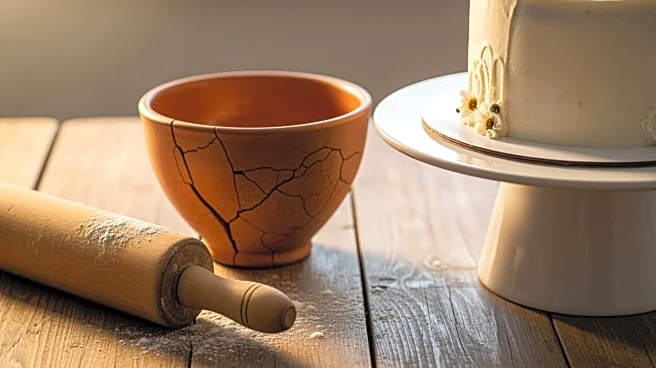

Cake, a beloved dessert enjoyed worldwide, has a rich history that dates back to ancient civilizations. This article explores the evolution of cake, tracing its journey from simple bread-like creations
to the elaborate confections we enjoy today. By examining the historical development of cake, we can appreciate how cultural influences and technological advancements have shaped this sweet treat.
Ancient Beginnings
The origins of cake can be traced back to ancient Greece, where it was known as "plakous," derived from the word for "flat." These early cakes were made using flour mixed with eggs, milk, nuts, and honey. The Greeks also had a cake called "satura," which was a flat, heavy cake. During the Roman period, the name for cake evolved to "placenta," a term borrowed from the Greeks. Roman cakes were often baked on a pastry base or inside a pastry case, and the basic bread dough was enriched with butter, eggs, and honey to create a sweet, cake-like baked good.
The Greeks were also pioneers in using beer as a leavener and frying fritters in olive oil. They even made cheesecakes using goat's milk. These early innovations laid the groundwork for the diverse range of cakes we enjoy today.
The Renaissance and Beyond
Sponge cakes, leavened with beaten eggs, emerged during the Renaissance, possibly in Spain. This period marked a significant turning point in cake-making, as the technique of using eggs to create a light, airy texture became popular. By the early 14th century in England, cakes were still essentially bread, but they were distinguished by their round, flat shape and the cooking method, which involved turning the cakes over once during baking.
The 18th century saw the tradition of birthday cakes with candles begin in Germany. These cakes were often elaborate, with multiple layers, icing, and decorations, but they were generally only accessible to the wealthy. The Industrial Revolution later made cakes more accessible to the lower classes, as materials and goods became more widely available.
Modern Innovations
The 20th century brought about significant changes in cake-making, particularly with the introduction of cake mixes. During the Great Depression, a surplus of molasses and the need for easily made food led to the creation of cake-bread mixes. This innovation transformed cake from a home- or bakery-made specialty into a mass-produced good.
In the post-war boom, companies like General Mills marketed cake mix as a convenient option for housewives. The simplicity of cake mixes allowed for creativity in cake decorating, as home bakers could focus on elaborate decorations inspired by magazine photographs.
Today, cakes are a staple of celebrations worldwide, from birthdays to weddings. The evolution of cake reflects not only changes in culinary techniques but also shifts in cultural practices and societal norms. As we continue to innovate and experiment with flavors and designs, the history of cake serves as a reminder of the enduring appeal of this sweet treat.