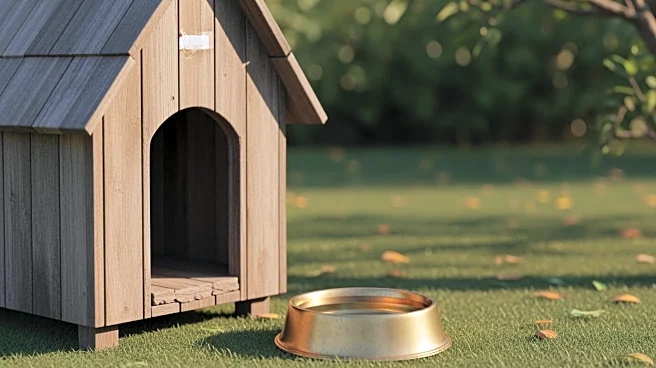







The evolution of doghouses is closely tied to the development of animal welfare movements. As society's understanding of animal rights grew, so did the standards for doghouse construction and care. This article explores the historical relationship between doghouses and animal welfare, highlighting key legislative changes and their impact on canine shelters.
The Rise of Animal Welfare Movements
The 1800s saw the emergence of the animal rights movement, which sought to improve the treatment
of animals, including dogs. This movement led to the creation of organizations such as the humane society and the Society for the Prevention of Cruelty to Animals (SPCA). These groups played a crucial role in advocating for better living conditions for dogs, particularly those housed outdoors.
One of the primary concerns of animal welfare advocates was the quality of doghouses. They emphasized the need for structures that were weatherproof, insulated, and of adequate size. These standards aimed to ensure that dogs were protected from harsh weather conditions and had a comfortable living environment.
Legislative Changes and Enforcement
As the animal rights movement gained momentum, legislation was introduced to protect dogs living outdoors. Municipalities began enforcing laws that required doghouses to meet specific standards of care. Animal control services were tasked with ensuring compliance, and owners faced penalties for failing to provide suitable shelters for their pets.
These legislative changes marked a significant shift in how society viewed the responsibility of pet ownership. Doghouses were no longer seen as mere shelters; they became a symbol of the commitment to providing proper care for animals. The enforcement of these standards helped improve the overall welfare of dogs, reducing instances of neglect and abuse.
Modern Standards and Innovations
Today, the influence of animal welfare movements continues to shape doghouse design. Modern doghouses are built using a variety of materials, including hardboard, hardwood, plywood, and plastic. DIY projects allow owners to customize doghouses to meet their pets' specific needs, ensuring optimal comfort and safety.
Recent advancements in technology have further enhanced doghouse standards. Smart doghouses offer features such as temperature control and environmental monitoring, providing an even higher level of care. These innovations reflect the ongoing commitment to animal welfare and the desire to create the best possible living conditions for dogs.
The historical relationship between doghouses and animal welfare highlights the importance of advocacy and legislation in improving the lives of our canine companions. As society continues to prioritize animal rights, the standards for doghouse construction will undoubtedly evolve, ensuring that dogs receive the care and protection they deserve.