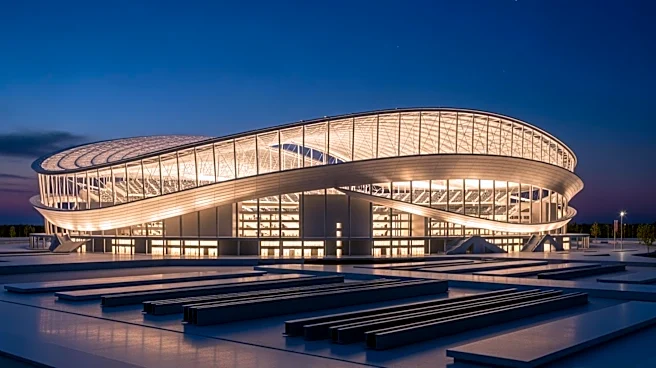







The Peter Mokaba Stadium in Polokwane, South Africa, stands as a testament to modern architectural design and engineering. Built for the 2010 FIFA World Cup, this stadium was part of a significant infrastructure development in South Africa. With a seating capacity of 45,500, it was designed to accommodate large crowds while providing a state-of-the-art experience for both spectators and players. This article delves into the construction and design elements
that make the Peter Mokaba Stadium a notable landmark.
Architectural Vision
The architectural design of the Peter Mokaba Stadium was spearheaded by AFL Architects, a firm known for its innovative approach to sports venues. The stadium's design was intended to reflect the cultural and natural heritage of South Africa. The structure incorporates elements that are both functional and aesthetically pleasing, ensuring that it stands out as a modern sports facility.
One of the key features of the stadium is its use of Desso GrassMaster, a hybrid grass system that combines natural grass with artificial fibers. This technology ensures a stable and level playing surface, which is crucial for both football and rugby matches. The decision to use this advanced grass system highlights the commitment to providing a high-quality playing field that can withstand the demands of international sports events.
Construction Challenges
Construction of the Peter Mokaba Stadium began in 2006 and was completed in 2009, just in time for the 2010 FIFA World Cup. The project faced several challenges, including budget constraints and the need to meet international standards for sports venues. The original design included full roof coverage for all spectator stands, but due to budgetary limitations, only the western stand received complete coverage.
Despite these challenges, the construction team successfully delivered a stadium that met the requirements of FIFA and provided a world-class venue for the World Cup. The construction cost was approximately R1.245 billion, equivalent to about US$150 million, reflecting the scale and ambition of the project.
Legacy and Impact
The Peter Mokaba Stadium has left a lasting legacy in Polokwane and South Africa as a whole. It was one of five new stadiums built for the World Cup, representing a significant investment in the country's sports infrastructure. The stadium not only hosted four group matches during the tournament but also continues to serve as a venue for both football and rugby events.
The stadium's construction has had a positive impact on the local economy, providing jobs and boosting tourism in the region. It stands as a symbol of South Africa's ability to host major international events and has become an integral part of the community in Polokwane. The Peter Mokaba Stadium remains a key asset for the city, contributing to its reputation as a center for sports and entertainment.