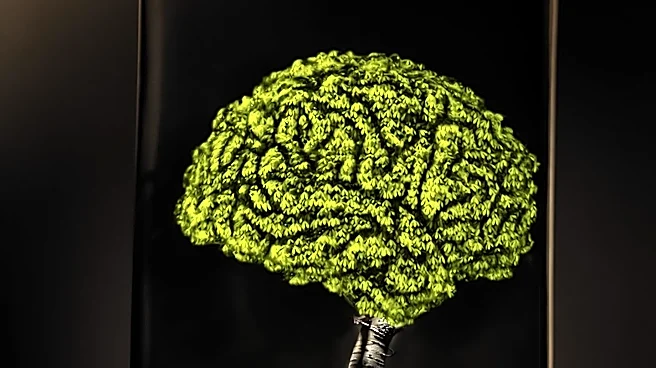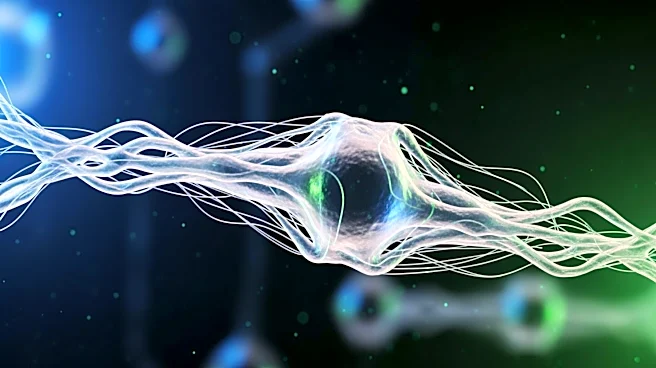




Attention is a complex cognitive process that involves various neural mechanisms. Understanding the neural basis of attention provides insights into how we process information and interact with our environment. This article explores the neural networks and brain regions involved in attention and their implications for cognitive processes.
Neural Networks Supporting Attention
Attention is supported by distributed neural networks in the brain, primarily involving the frontal, parietal,
and subcortical regions. These networks work together to allocate cognitive resources to specific stimuli, enabling us to focus on relevant information while ignoring distractions.
The frontoparietal attention network plays a crucial role in the control of attention. It is involved in the voluntary allocation of attention to specific tasks or stimuli, allowing us to concentrate on important information. This network is closely linked to executive functions, such as working memory and decision-making, highlighting the interconnected nature of cognitive processes.
The Role of the Frontal Cortex
The frontal cortex is a key region involved in top-down attention, which is goal-directed and mediated by internal goals and expectations. This type of attention allows us to focus on specific tasks based on our objectives, enabling efficient information processing and task completion.
The frontal cortex is also involved in conflict resolution and inhibition, essential for managing competing stimuli and maintaining focus on relevant information. This region's involvement in executive functions underscores its importance in attention and cognitive control.
Subcortical Regions and Bottom-Up Attention
Subcortical regions, such as the superior colliculus and basal ganglia, are involved in bottom-up attention, which is stimulus-driven and automatic. This type of attention is triggered by sudden changes in the environment, such as a loud noise or a bright light, allowing us to respond quickly to potential threats or important stimuli.
The primary visual cortex (V1) constructs a bottom-up saliency map, which is relayed to the superior colliculus to guide attention and gaze shifts. This process highlights the role of subcortical regions in detecting and responding to salient stimuli, ensuring that we can navigate our environment effectively.
Understanding the neural basis of attention provides valuable insights into how we process information and interact with the world. The interplay between different brain regions and networks underscores the complexity of attention and its significance in cognitive processes. By examining the neural mechanisms underlying attention, we can gain a deeper understanding of how our brains function and adapt to changing environments.