



Voyageurs National Park, located in northern Minnesota, is renowned for its stunning natural beauty and diverse ecosystems. Established in 1975, the park covers 218,200 acres and is known for its outstanding water resources and wilderness. This article explores the park's unique geography and the natural features that make it a popular destination for outdoor enthusiasts.
Waterways and Lakes
One of the most striking features of Voyageurs National Park is its extensive
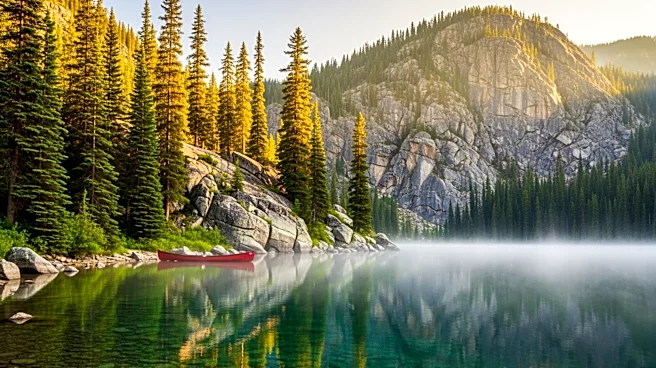
network of waterways and lakes. The park encompasses all or part of four major lakes: Rainy Lake, Kabetogama Lake, Namakan Lake, and Sand Point Lake. These lakes straddle the United States-Canada border, offering visitors a unique opportunity to explore the interconnected waterways.
The park's lakes are accessible primarily by water, with many visitors choosing to explore by canoe, kayak, or motorboat. In the winter months, frozen lakes provide routes for snowmobiling and skiing. The park's waterways are not only a means of transportation but also a vital part of the ecosystem, supporting a diverse array of plant and animal life.
Geological Features
Voyageurs National Park is situated on the Canadian Shield, home to some of the oldest rocks on the North American continent. These rocks, formed between 1 and 3 billion years ago, create a unique geological landscape characterized by schists, gneisses, and granitic formations.
The park's geological history is marked by the Kenoran Orogeny, a period of mountain-building that shaped the region's landscape. Over time, layers of sedimentary rock were stripped away by glaciers, leaving behind the rugged terrain and glacially scoured lake basins that define the park today. Visitors can explore these geological wonders through hiking trails and guided tours, gaining insight into the ancient processes that shaped the land.
Flora and Fauna
The diverse ecosystems of Voyageurs National Park support a wide variety of plant and animal species. The park is home to timber wolves, black bears, moose, and an abundance of white-tailed deer. Smaller mammals such as foxes, beavers, and river otters can also be spotted throughout the park.
Birdwatchers will find a rich array of avian species, including bald eagles, loons, and warblers. The park's diverse habitats, from coniferous forests to wetlands, provide ample opportunities for wildlife viewing and photography. Whether exploring by land or water, visitors to Voyageurs National Park are sure to encounter the natural wonders that make this park a true gem of the northern wilderness.