




WSKG-TV, a PBS member station located in Binghamton, New York, has a rich history that reflects the challenges and triumphs of public broadcasting. Since its inception in 1968, WSKG-TV has navigated financial crises, technological advancements, and shifts in programming to become a staple in New York's Southern Tier.
Early Beginnings and Financial Struggles
WSKG-TV began broadcasting on May 12, 1968, named in honor of a local clergyman, Dr. Stanley K. Gambell, thanks to an anonymous donor.
The station's early years were marked by financial difficulties. The original management overspent during the construction of the facility, leaving the station with over a million dollars in debt by 1969. This financial crisis brought WSKG-TV to the brink of shutting down. However, through budgetary austerity, state support, and increased local giving, the station managed to survive.
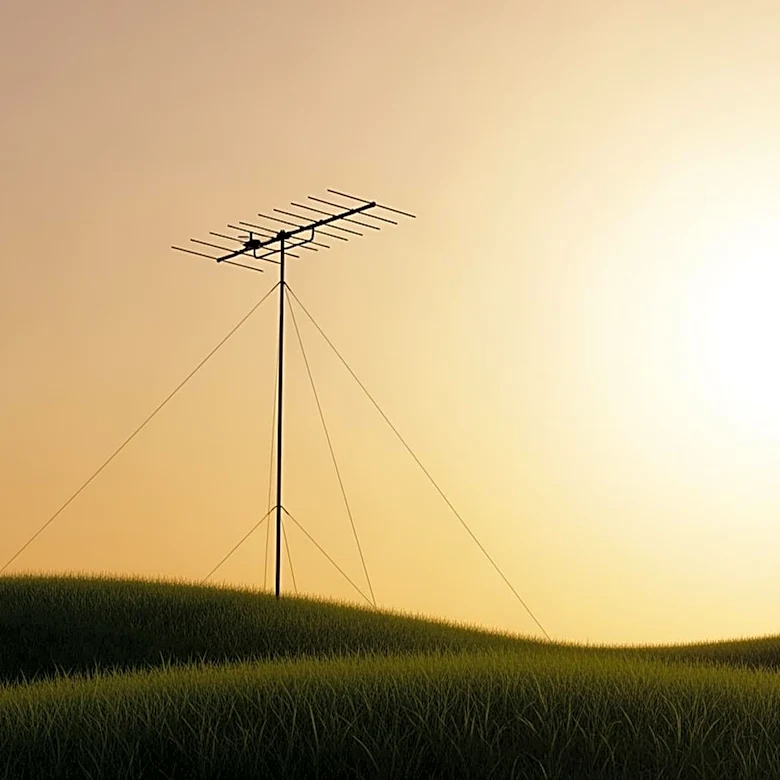
In its early years, WSKG-TV operated from multiple locations, including four different regional elementary schools, before settling into its current site in Vestal, New York. Despite these challenges, the station expanded its reach by building a large regional translator network in the 1970s, which helped extend its educational programming to a broader audience.
Expansion and Technological Advancements
The 1970s and 1980s were a period of growth and change for WSKG-TV. In 1975, the station launched WSKG-FM, the region's public radio station, further solidifying its role in public broadcasting. During this time, WSKG-TV also began producing local newscasts, although these were eventually cut in 1981 due to resource constraints.
The station continued to evolve technologically, transitioning from analog to digital broadcasting. In the 2000s, WSKG-TV expanded its reach by building WSKA, a high-power satellite station in Corning, New York, to serve the Elmira-Corning area. This expansion allowed WSKG-TV to provide high-quality public television to a larger audience.
Recent Developments and Future Prospects
In recent years, WSKG-TV has faced new challenges, including cuts in state funding and the need to adapt to changing media consumption habits. Despite these challenges, the station has continued to innovate, launching new programs and collaborating with other public TV stations in upstate New York to build a central master control facility.
WSKG-TV's commitment to public service and education remains strong, as evidenced by its continued efforts to provide quality programming and community engagement. As the station looks to the future, it will likely continue to adapt and evolve, ensuring its place as a vital resource for the Southern Tier community.