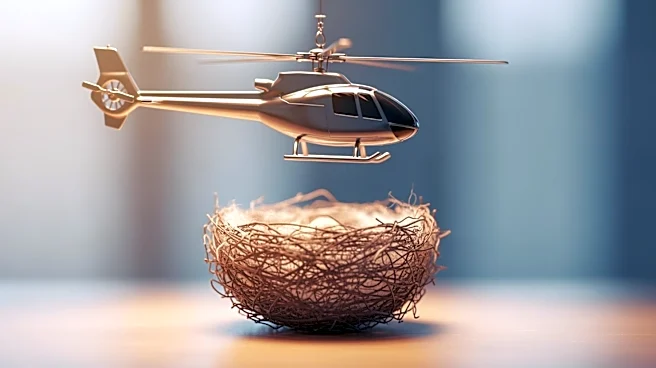







Helicopter parenting has become a buzzword in discussions about modern parenting styles. This approach, characterized by over-involvement and control, reflects broader cultural and social shifts. While not explicitly listed in Wikipedia's "Category:Parenting," the concept has gained traction as parents navigate the complexities of raising children in today's world.
Cultural Influences on Helicopter Parenting
The rise of helicopter parenting can be attributed to several cultural factors. In recent
decades, there has been a growing emphasis on child safety and success, leading parents to adopt more protective and involved approaches. This shift is partly driven by media coverage of child-related dangers, which has heightened parental anxiety and vigilance.
Additionally, the competitive nature of modern education systems has contributed to the prevalence of helicopter parenting. Parents feel pressure to ensure their children's academic success, often going to great lengths to support and advocate for them. This cultural emphasis on achievement and excellence has reinforced the belief that close parental involvement is necessary for children's success.
Social Dynamics and Helicopter Parenting
Social dynamics also play a significant role in the emergence of helicopter parenting. As families become smaller and more nuclear, parents may feel a greater responsibility to invest in their children's futures. This can lead to increased involvement in their children's lives, as parents seek to provide the best opportunities and support possible.
Moreover, the rise of social media has amplified the visibility of parenting practices, creating a platform for comparison and judgment. Parents may feel pressure to conform to perceived norms and expectations, leading to more intensive parenting styles. The desire to present a picture-perfect family life can drive parents to be more involved in their children's activities and achievements.
The Consequences of Helicopter Parenting
While helicopter parenting may be well-intentioned, it can have unintended consequences. Children raised in such environments may struggle with independence and self-reliance, as they are accustomed to having their parents manage their lives. This can lead to increased anxiety and difficulty in navigating challenges on their own.
Despite these potential drawbacks, helicopter parenting remains a prevalent approach for many families. As cultural and social dynamics continue to evolve, so too will the ways in which parents engage with their children. Understanding the factors contributing to helicopter parenting can help parents make informed choices about how to best support their children's development in a rapidly changing world.