

Brown sugar is a beloved ingredient in many kitchens, known for its rich flavor and moist texture. But how is this versatile sugar produced? The process of making brown sugar involves several steps, from the initial extraction of sugarcane or sugar beet to the addition of molasses. This article explores the production process of brown sugar, highlighting the key stages that transform raw materials into the sweet, brown crystals we use in cooking and baking.
From Sugarcane to Sugar Crystals
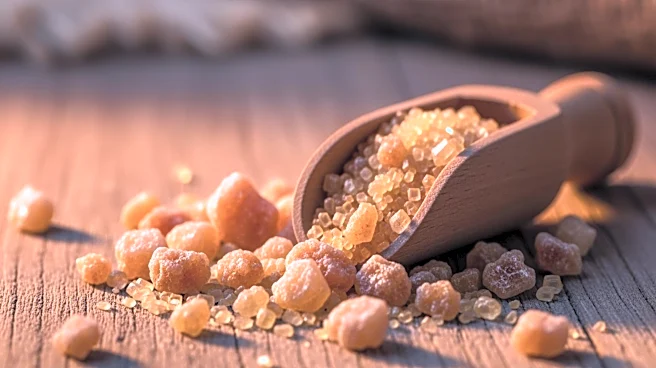
The production of brown sugar begins with the extraction of sugar from sugarcane or sugar beet. These plants are harvested and processed to extract the juice, which is then clarified and concentrated to form a thick syrup. This syrup is further processed to crystallize the sugar, resulting in raw sugar crystals. These crystals have a natural brown coating due to the presence of molasses, a byproduct of the sugar refining process.
In some cases, the raw sugar is partially refined to remove impurities, while retaining some of the molasses content. This results in a softer, more flavorful sugar that is often used in baking and cooking. The degree of refinement can vary, leading to different types of brown sugar with varying molasses content and flavor profiles.
Adding Molasses to Refined Sugar
Another method of producing brown sugar involves adding molasses to refined white sugar. This process allows for greater control over the molasses content and the resulting flavor and color of the sugar. The amount of molasses added can vary, resulting in light brown sugar or dark brown sugar, each with its own unique characteristics.
The addition of molasses not only affects the flavor and color of the sugar but also its physical properties. Brown sugar is more hygroscopic than white sugar, meaning it attracts and retains moisture. This property is particularly beneficial in baking, as it helps keep baked goods moist and chewy.
Industrial and Home Production
In industrial settings, the production of brown sugar is often a large-scale operation, with specialized equipment used to mix and package the sugar. The process is carefully controlled to ensure consistency in flavor, color, and texture. For home cooks, brown sugar can be easily made by mixing white sugar with molasses. This simple method allows for customization of the molasses content to suit individual preferences.
In conclusion, the production of brown sugar is a fascinating process that combines traditional methods with modern techniques. Whether produced on a large scale or made at home, brown sugar remains a versatile and essential ingredient in many culinary creations. Its unique flavor and moisture-retaining properties continue to make it a favorite among cooks and bakers around the world.