



Hawaii's journey to becoming the 50th state of the United States is a fascinating tale of political maneuvering, cultural shifts, and legislative milestones. The Hawaii Admission Act, signed into law on March 18, 1959, marked the culmination of decades of efforts to transition from a U.S. territory to a full-fledged state. This article delves into the historical context and legislative process that led to Hawaii's statehood, highlighting key events
and figures that played pivotal roles in this transformation.
The Early Push for Statehood
Before Hawaii became a state, it was an organized incorporated territory of the United States, established in 1900 by the Hawaiian Organic Act. The push for statehood began early, with the first congressional bill introduced in 1919 by Prince Jonah Kūhiō Kalanianaʻole, the non-voting delegate from the Territory of Hawaii. However, these early efforts faced significant opposition, particularly from those who feared the implications of admitting a state with a large Asian American population.
Throughout the early 20th century, various statehood bills were introduced, but they were often stalled in congressional hearings. The political climate of the time, marked by racial prejudices and geopolitical concerns, made the path to statehood a challenging one. Despite these obstacles, the desire for statehood persisted among many Hawaiians who sought greater representation and rights within the United States.
Legislative Milestones and Challenges
The legislative journey towards statehood saw significant developments in the 1950s. The election of John A. Burns as the delegate of the Territory of Hawaii to Congress marked a turning point. Burns, a member of the Hawaii Democratic Party, worked tirelessly to lobby his colleagues and address concerns about Hawaii's readiness for statehood. His efforts were instrumental in overcoming the resistance from southern lawmakers who were wary of Hawaii's diverse population.
In March 1959, the Hawaii Admission Act was introduced in Congress. The bill passed the Senate on March 11, 1959, with a vote of 76-15, and the House on March 12, 1959, with a vote of 323-89. President Dwight D. Eisenhower signed the Act into law on March 18, 1959, setting the stage for Hawaii's official admission as a state later that year.
The Plebiscite and Statehood Celebration
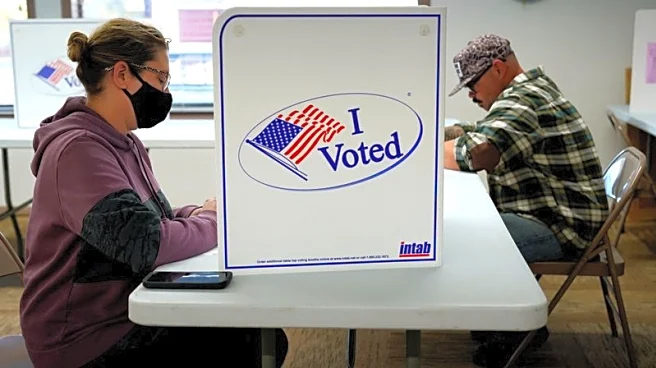
Following the passage of the Hawaii Admission Act, a plebiscite was held on June 27, 1959, to gauge the support of Hawaii's residents for statehood. The turnout was the highest ever recorded in Hawaii, with 140,000 votes cast out of 155,000 registered voters. The results were overwhelmingly in favor of statehood, with approval rates exceeding 93% on all major islands.
On August 21, 1959, Hawaii was officially admitted as the 50th state of the United States. The event was celebrated with great enthusiasm, marking the end of a long and arduous journey towards statehood. Hawaii's admission not only expanded the Union but also highlighted the evolving cultural and political landscape of the United States.