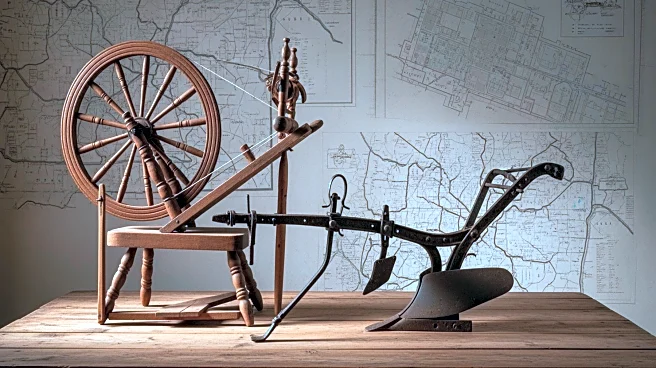




The 19th century was a period of significant cultural and economic transformation for Indiana. From its early days as a frontier territory to its development into a thriving state, Indiana experienced profound changes that shaped its identity and future. These transformations were driven by various factors, including industrialization, population growth, and cultural shifts.
Industrialization and Economic Growth
The 19th century saw Indiana transition from a primarily agrarian society
to an industrial powerhouse. The discovery of natural gas in the late 1800s spurred rapid industrialization, particularly in northern Indiana. Cities like Muncie and Gas City experienced significant growth as industries capitalized on the abundant and cheap energy source. This industrial boom attracted a diverse workforce, including European immigrants and internal migrants, contributing to the state's economic expansion.
The development of transportation infrastructure also played a crucial role in Indiana's economic growth. The construction of canals, railroads, and roads connected Indiana to major markets and facilitated the movement of goods and people. This connectivity enabled Indiana to become a vital hub for trade and commerce, further boosting its economic prospects.
Cultural Shifts and Social Changes
As Indiana's economy grew, so did its cultural landscape. The state became a melting pot of cultures, with immigrants bringing their traditions and customs. This cultural diversity enriched Indiana's social fabric and contributed to its evolving identity. The influx of new residents also led to the establishment of various cultural institutions, including schools, churches, and community organizations.
The 19th century also witnessed significant social changes in Indiana. The abolition of slavery and the fight for civil rights were pivotal moments in the state's history. Indiana's commitment to these causes reflected its progressive values and desire for social justice. These efforts laid the groundwork for future advancements in civil rights and equality.
The Rise of Literature and Arts
Indiana's cultural transformation was not limited to social and economic changes. The state also experienced a renaissance in literature and the arts. The late 19th century marked the beginning of Indiana's "Golden Age of Literature," with authors like Lew Wallace and James Whitcomb Riley gaining national acclaim. Their works celebrated Indiana's landscapes, people, and values, contributing to the state's cultural legacy.
The arts also flourished during this period, with the emergence of the Hoosier School of painting and the Richmond Group of impressionist painters. These artists captured Indiana's natural beauty and rural life, leaving a lasting impact on the state's artistic heritage.
Indiana's cultural and economic transformation in the 19th century set the stage for its future development. The state's ability to adapt and grow during this period of change is a testament to its resilience and determination.