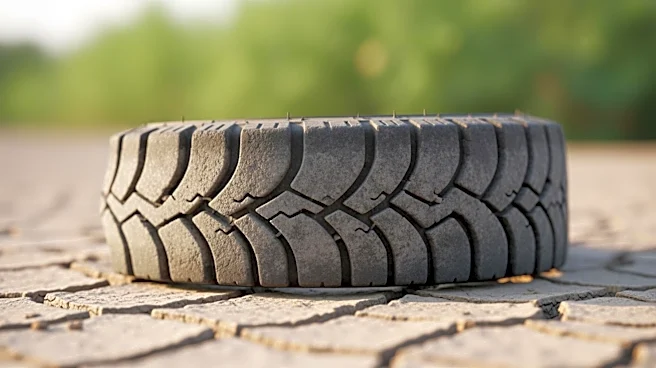



Tire degradation is a significant environmental issue due to the large volume of waste tires produced and their durability. As tires wear out, they contribute to pollution, particularly in the form of microplastics. This article explores the environmental challenges posed by tire degradation and the efforts to mitigate its impact.
The Problem of Waste Tires
Tires are among the most problematic sources of waste due to their durability and the large volume produced. They are non-biodegradable
and can consume valuable space in landfills. In 1990, over 1 billion scrap tires were stockpiled in the United States alone. By 2015, this number had been reduced to 67 million, but the problem persists globally. Improperly managed waste tires can lead to rubber pollution, which poses significant environmental hazards.
The European Union has made strides in recycling, increasing the amount of tires recycled from 25% in 1994 to nearly 95% by 2010. However, globally, tire graveyards remain a common environmental hazard, with significant pollutants and other challenges. For instance, the Sulaibiya tire graveyard in Kuwait has experienced repeated toxic fires, highlighting the dangers of tire stockpiles.
Recycling and Repurposing Tires
Recycling tires is a crucial step in reducing their environmental impact. Tires can be repurposed for various products, generating more economic activity than combustion or other low-multiplier production methods. For example, steel mills can use tires as a carbon source, replacing coal or coke in steel manufacturing. Tires are also often recycled for use on basketball courts and in new shoe products.
In the United States, 43% of scrapped tires are burnt as tire-derived fuel, with cement manufacturing being the largest user. Another 25% are used to make ground rubber, 8% are used in civil engineering projects, and 17% are disposed of in landfills. Despite these efforts, the challenge of managing waste tires remains significant.
Innovative Solutions and Challenges
Innovative solutions such as pyrolysis and devulcanization could facilitate tire recycling. Pyrolysis can reprocess tires into fuel gas, oils, solid residue, and low-grade carbon black. However, concerns about air pollution due to incomplete combustion remain. Additionally, the solid mineral stream from pyrolysis, which accounts for about 40% of the output, poses a challenge.
Efforts to use recycled tires as raw material for new tires have been made, but such tires may integrate recycled materials no more than 5% by weight. These tires often suffer from reduced tread life and lower traction compared to new tires. Despite these challenges, the development of new recycling strategies and public policies continues to be essential in addressing the environmental impact of tire degradation.