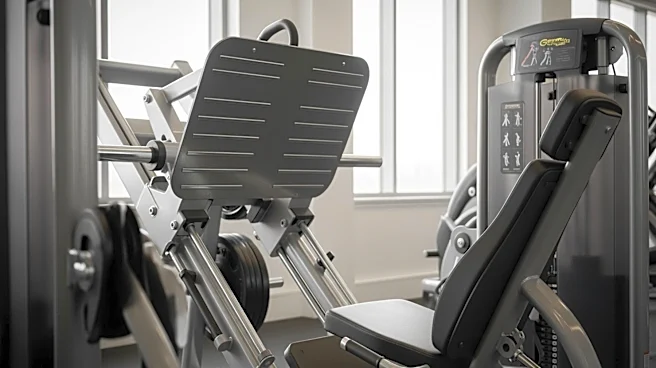








The leg press is a staple in many strength training routines, known for its ability to build lower body strength effectively. This exercise involves pushing a weight or resistance away from the body using the legs, targeting key muscle groups such as the quadriceps, hamstrings, and gluteus maximus. While the leg press offers numerous benefits, it also carries certain risks if not performed correctly. Understanding these aspects can help individuals
make informed decisions about incorporating the leg press into their fitness regimen.
Benefits of the Leg Press
One of the primary benefits of the leg press is its ability to enhance lower body strength. By engaging major muscle groups, the leg press helps build muscle mass and improve overall strength. This exercise is particularly beneficial for athletes, as it can be used to evaluate and develop lower body power, which is crucial for performance in various sports.
Additionally, the leg press can aid in building squat strength. By strengthening the muscles involved in squatting, individuals can improve their performance in this fundamental exercise. The leg press also allows for controlled movement, making it a suitable option for those recovering from injuries or looking to avoid the risks associated with free weight exercises.
Potential Risks of the Leg Press
Despite its benefits, the leg press carries certain risks, particularly if performed with improper form. One of the most significant dangers is the potential for knee injuries. Locking the knees during the exercise can cause them to bend in the wrong direction, leading to serious damage. To mitigate this risk, it is essential to maintain a slight bend in the knees throughout the movement.
Another risk associated with the leg press is the potential for lower back strain. This can occur if the back is not properly supported or if the weight is too heavy. To prevent this, individuals should ensure that their back is firmly against the backrest and that the weight is manageable.
Tips for Safe and Effective Leg Pressing
To maximize the benefits of the leg press while minimizing risks, it is crucial to focus on proper form and technique. This includes maintaining a controlled movement, avoiding locking the knees, and ensuring the back is supported. Additionally, individuals should start with a manageable weight and gradually increase it as their strength improves.
Incorporating variations, such as the one-legged leg press, can also help address muscle imbalances and enhance overall stability. By following these guidelines, individuals can safely and effectively incorporate the leg press into their fitness routine, reaping its numerous benefits while minimizing potential risks.