








Toys are an essential part of childhood, providing entertainment and educational value. However, they can also pose significant safety risks if not properly designed and tested. This article examines common toy safety hazards and offers strategies for prevention to ensure children's safety.
Common Toy Safety Hazards
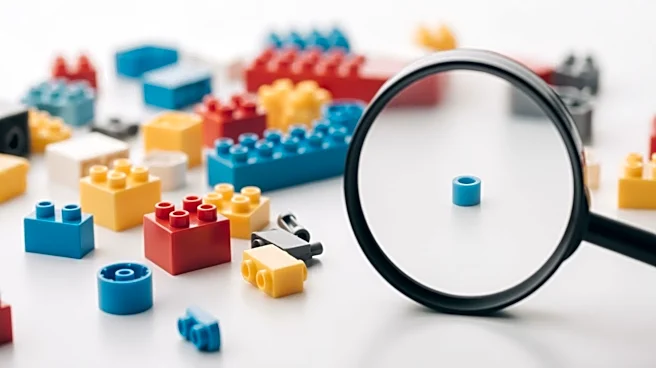
One of the most prevalent toy safety hazards is choking, particularly for young children who tend to put objects in their mouths. Toys with small parts can easily
become lodged in a child's throat, leading to serious injury or even death. Manufacturers must ensure toys intended for young children do not contain small detachable parts.
Another common hazard is the ingestion of harmful substances. Toys made with toxic chemicals, such as lead or phthalates, can pose serious health risks if ingested. Regulations now require toys to be tested for these substances, but parents should remain vigilant and check for safety certifications.
Prevention Strategies
To prevent choking hazards, toys should be designed with age-appropriate features and clearly labeled with age recommendations. Parents should follow these guidelines and supervise young children during playtime to ensure they do not access toys meant for older children.
Chemical safety is another critical area of concern. Manufacturers must adhere to strict regulations regarding the use of chemicals in toys, and parents should look for toys that carry safety certifications, such as the CE mark in Europe or compliance with the CPSIA in the United States.
Regular safety testing and risk assessments are essential for identifying potential hazards early in the product lifecycle. Manufacturers should conduct thorough testing to ensure toys meet all safety standards before they reach the market.
The Role of Regulations and Standards
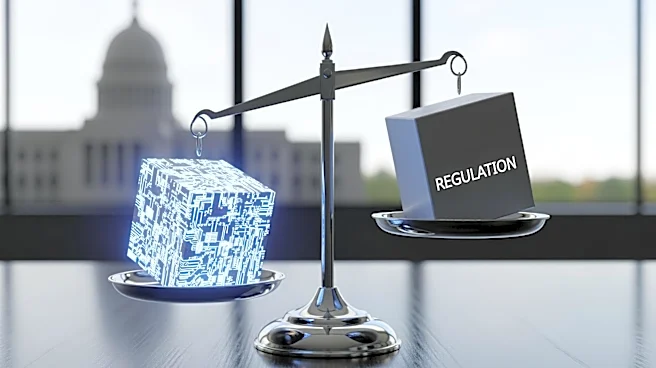
Toy safety regulations play a crucial role in preventing accidents and ensuring toys are safe for children. Standards such as the EN 71 in Europe and the CPSIA in the United States provide guidelines for testing and certification, helping manufacturers identify and mitigate risks.
These regulations are continually updated to address new challenges and emerging risks, such as the integration of digital technology in toys. By adhering to these standards, manufacturers can ensure their products are safe and reliable.
Ultimately, toy safety is a shared responsibility between manufacturers, regulators, and parents. By working together, we can create a safer environment for children to play and learn.