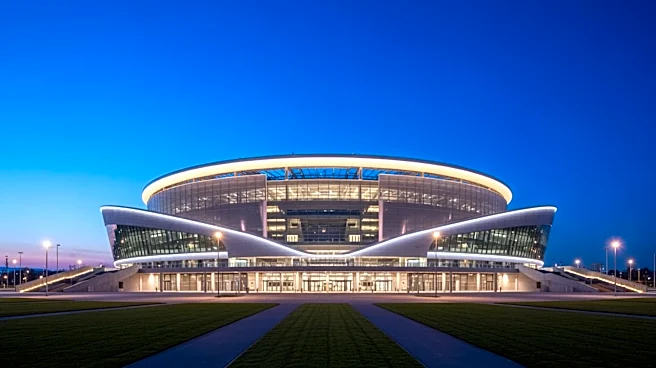

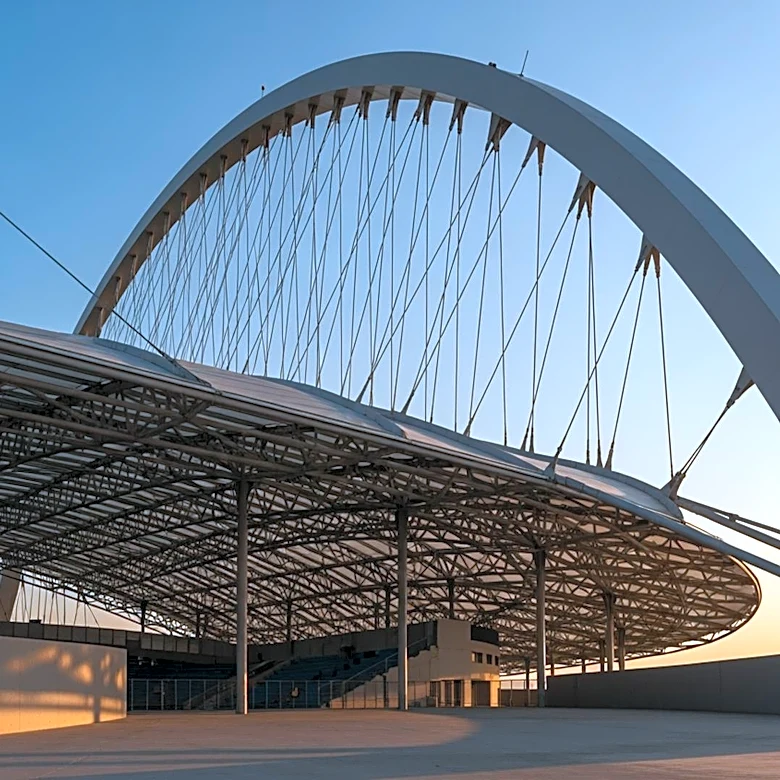






The 2022 FIFA World Cup was a landmark event, not only for being the first World Cup held in the Arab world but also for the unique venues that hosted the matches. Among these, the Ahmad bin Ali Stadium played a significant role. Located in Al Rayyan, Qatar, this stadium was one of the key venues for the tournament, showcasing its capacity to host international events and its subsequent transformation into a community space.
Ahmad bin Ali Stadium's Contribution to the World Cup
Ahmad bin Ali Stadium was
one of the eight stadiums used during the 2022 FIFA World Cup. With a capacity of 44,740, it was designed to accommodate a large number of spectators, providing them with a world-class experience. The stadium hosted several matches, including those in the knockout stages, which were crucial in determining the teams that advanced further in the tournament. Its modern facilities and strategic location made it an ideal venue for such high-stakes games.
The stadium's design and infrastructure were tailored to meet the demands of a global event like the World Cup. It was equipped with state-of-the-art technology to ensure the comfort and safety of both players and fans. The successful hosting of matches at Ahmad bin Ali Stadium demonstrated Qatar's commitment to delivering a memorable World Cup experience.
The Transformation of Ahmad bin Ali Stadium
Following the conclusion of the 2022 FIFA World Cup, Ahmad bin Ali Stadium underwent a significant transformation. The stadium was repurposed into a community space, reflecting a broader trend in Qatar to ensure that the infrastructure developed for the World Cup would have a lasting legacy. This transformation included the creation of facilities that could be used by the local community, such as shops, cafes, and sports facilities.
The decision to repurpose the stadium was part of a sustainable approach to the World Cup infrastructure. By converting the stadium into a community hub, Qatar aimed to provide long-term benefits to its residents, ensuring that the investments made for the World Cup would continue to serve the public well beyond the tournament.
Legacy and Impact
The legacy of Ahmad bin Ali Stadium extends beyond its role in the 2022 FIFA World Cup. Its transformation into a community space highlights Qatar's commitment to sustainability and community development. The stadium's new role as a community center ensures that it remains a vibrant part of the Al Rayyan area, contributing to the social and economic well-being of the region.
In conclusion, Ahmad bin Ali Stadium was more than just a venue for the 2022 FIFA World Cup. It was a symbol of Qatar's vision for the future, combining world-class sports infrastructure with sustainable community development. Its successful hosting of World Cup matches and subsequent transformation into a community space exemplify the dual legacy of sports and sustainability that Qatar aimed to achieve.