



Urbanization is a defining feature of modern society, with more than half of the world's population now living in cities. This article examines the impact of urbanization on sustainability, highlighting the environmental challenges cities face and the strategies they employ to address them.
The Environmental Challenges of Urbanization
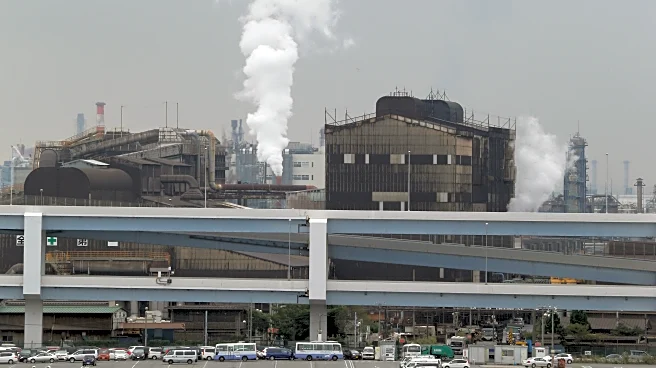
As cities grow, they encounter a range of environmental challenges. The concentration of people and activities in urban areas leads to increased demand for resources
such as water, energy, and land. This can result in overuse and pollution, affecting the health and well-being of residents.
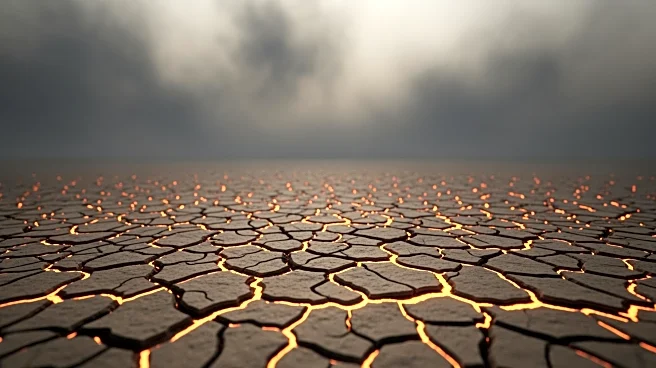
Urban areas are also prone to the formation of heat islands, where temperatures are significantly higher than surrounding rural areas. This phenomenon is caused by the abundance of concrete and asphalt, which absorb and retain heat. Heat islands can exacerbate the effects of climate change, leading to more frequent and intense heatwaves.
Strategies for Sustainable Urban Development
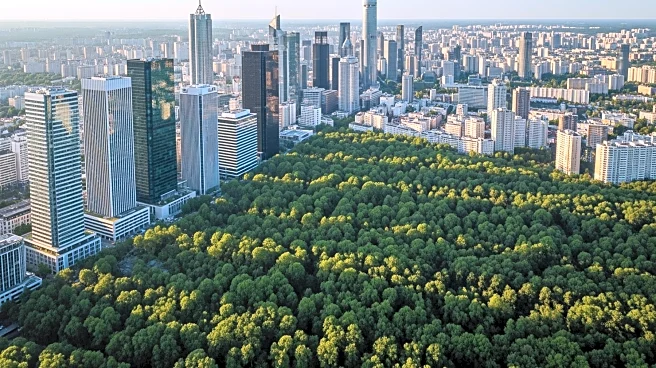
To address these challenges, cities are adopting strategies for sustainable urban development. One approach is the creation of green spaces, such as parks and gardens, which help mitigate the urban heat island effect and improve air quality. Green spaces also provide recreational opportunities and enhance the aesthetic appeal of cities.
Cities are also investing in sustainable transportation systems, such as public transit and bike lanes, to reduce reliance on cars and decrease emissions. The promotion of energy-efficient buildings and renewable energy sources further contributes to sustainability efforts, helping cities reduce their carbon footprint.
The Role of Technology in Urban Sustainability
Technology plays a crucial role in enhancing urban sustainability. Smart city initiatives leverage data and digital infrastructure to optimize resource use and improve services. For example, sensors can monitor air quality and traffic patterns, enabling cities to make informed decisions about environmental management.
Innovations in waste management and water conservation are also transforming urban sustainability. Cities are implementing systems to recycle and repurpose waste, reducing landfill use and conserving resources. Water-saving technologies help manage consumption and protect vital water sources.
Urbanization presents both challenges and opportunities for sustainability. By adopting innovative strategies and leveraging technology, cities can address environmental concerns and promote a healthier, more sustainable future. As urban areas continue to grow, their commitment to sustainability will be key to ensuring the well-being of current and future generations.