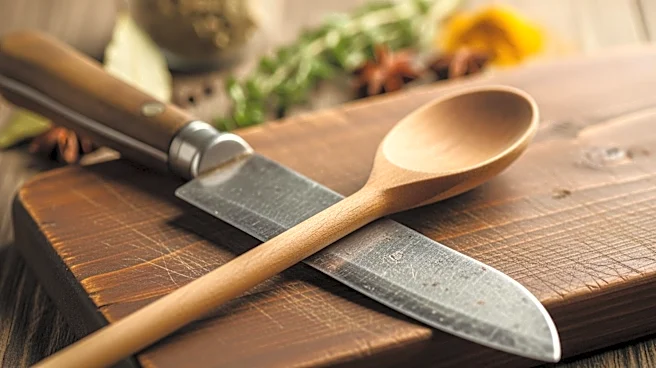

Kitchen utensils are not just tools for food preparation; they are integral to the culinary traditions of cultures around the world. These utensils have evolved alongside cooking techniques and have played
a significant role in shaping the way food is prepared and consumed. This article examines the relationship between kitchen utensils and culinary traditions, highlighting their cultural significance.
Cultural Significance of Utensils
In many cultures, kitchen utensils are deeply intertwined with culinary practices and traditions. For example, in Asian cultures, chopsticks are not only used as eating utensils but also play a role in cooking. They are used to stir, flip, and serve food, demonstrating the versatility and importance of this simple tool in Asian cuisine.
Similarly, in Western cultures, the fork and knife are essential components of dining etiquette. These utensils have evolved over time, with specialized versions developed for different types of food, such as fish knives and dessert forks. The use of these utensils reflects the cultural emphasis on formal dining and the importance of table manners.
Evolution of Cooking Techniques
The development of kitchen utensils has often been driven by changes in cooking techniques and culinary trends. For instance, the introduction of the whisk revolutionized baking by allowing for the efficient incorporation of air into batters and creams. This innovation led to the creation of lighter, fluffier baked goods, which became a hallmark of Western desserts.
In contrast, the mortar and pestle, a tool used for grinding and mixing, has been a staple in many traditional cuisines, such as Indian and Mexican. This utensil allows for the creation of complex spice blends and pastes, which are essential to the flavor profiles of these cuisines. The continued use of the mortar and pestle highlights the importance of traditional cooking methods in preserving cultural heritage.
Modern Adaptations
As culinary traditions continue to evolve, so do the utensils used in the kitchen. Modern innovations, such as electric mixers and food processors, have transformed the way food is prepared, offering convenience and efficiency. However, many traditional utensils remain popular, valued for their ability to produce authentic flavors and textures.
The ongoing adaptation of kitchen utensils reflects the dynamic nature of culinary traditions. While new technologies offer exciting possibilities, the enduring appeal of traditional utensils underscores their cultural significance and the role they play in preserving culinary heritage.