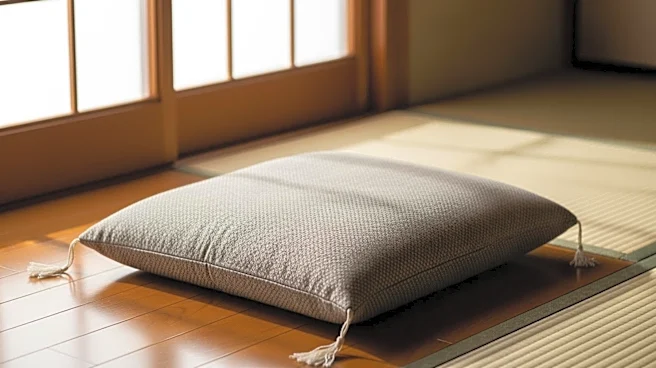







The zabuton, a traditional Japanese cushion, plays a significant role in Japanese culture and society. Often used for sitting on tatami mats, the zabuton is more than just a cushion; it is a symbol of comfort and tradition. This article delves into the cultural significance of the zabuton, examining its use in various social settings and its role in traditional Japanese practices.
The Role of Zabuton in Social Hierarchy
In Japanese culture, the placement of a zabuton can indicate a person's
social status or position of honor. This is particularly evident in formal settings where seating arrangements are meticulously planned. The zabuton is not just a cushion but a marker of respect and hierarchy. For instance, in a traditional Japanese room, the placement of zabuton can signify the importance of the guest, with the most honored guest receiving the best seat.
The zabuton is also used in various traditional Japanese ceremonies and practices, such as the tea ceremony and meditation. In these settings, the zabuton provides comfort and support, allowing participants to sit in the seiza position for extended periods. The use of zabuton in these practices highlights its importance in maintaining cultural traditions and etiquette.
Zabuton in Japanese Entertainment
The zabuton also plays a role in Japanese entertainment, particularly in sumo wrestling and rakugo, a form of Japanese storytelling. In sumo, spectators traditionally throw zabuton into the ring when a yokozuna, or grand champion, is defeated by a lower-ranked wrestler. This act, known as Zabuton-wo-nageru, is a way for the audience to express their excitement and surprise.
In rakugo, performers sit on a zabuton while delivering their monologues. The zabuton serves as a stage, and the performer's ability to engage the audience while seated is a testament to their skill. The zabuton is also used in the long-running television show Shōten, where comedians receive zabuton as a form of scoring. The first comedian to receive ten zabuton is declared the winner, highlighting the zabuton's role in Japanese entertainment.
Zabuton in Everyday Life
Beyond formal and entertainment settings, the zabuton is a staple in everyday Japanese life. It is commonly found in homes, where it provides comfort for those sitting on the floor. The zabuton's design, often featuring a removable cover, makes it practical for daily use. Its presence in Japanese homes underscores its role as a symbol of hospitality and comfort.
The zabuton is also used in conjunction with a zaisu, a type of legless chair, providing additional comfort and support. This combination is particularly popular in casual settings, where people gather to relax and socialize. The zabuton's versatility and practicality make it an essential part of Japanese living spaces.
In conclusion, the zabuton is more than just a cushion; it is a cultural icon that reflects the values and traditions of Japanese society. Its role in social hierarchy, entertainment, and everyday life highlights its significance and enduring presence in Japanese culture.