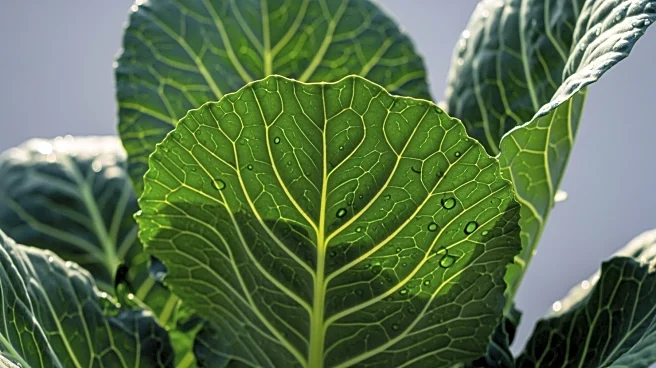

Collard greens, a member of the Brassica oleracea species, are not only a staple in Southern U.S. cuisine but also a nutritional powerhouse. These leafy greens are packed with essential vitamins and minerals,
making them a valuable addition to any diet. From their high vitamin content to their potential health benefits, collard greens offer a range of advantages for those looking to improve their nutritional intake.
Rich in Essential Vitamins and Minerals
Collard greens are an excellent source of several essential vitamins and minerals. They are particularly rich in vitamin K, providing a substantial 339% of the daily value in just a 100-gram serving. This vitamin is crucial for blood clotting and bone health. Additionally, collard greens are a good source of vitamin A, vitamin C, and manganese, all of which play vital roles in maintaining overall health.
The greens also offer moderate amounts of calcium and vitamin B6, contributing to bone health and energy metabolism. With their high water content, collard greens are low in calories, making them an ideal choice for those looking to maintain a healthy weight while ensuring adequate nutrient intake.
Potential Health Benefits
The nutritional profile of collard greens suggests several potential health benefits. The high vitamin K content supports bone health by aiding in the regulation of calcium, which is essential for maintaining strong bones. Vitamin A and C are antioxidants that help protect the body from oxidative stress and support immune function.
Collard greens also contain glucosinolates, compounds that are being researched for their potential cancer-preventive properties. These compounds are converted into isothiocyanates, which may help in detoxifying the body and reducing the risk of certain cancers. While more research is needed, the presence of these compounds adds to the health-promoting qualities of collard greens.
Incorporating Collard Greens into Your Diet
Incorporating collard greens into your diet is a simple way to boost your nutritional intake. They can be prepared in various ways, from traditional Southern dishes to modern salads and smoothies. Cooking collard greens with a bit of olive oil can enhance the absorption of fat-soluble vitamins, making them even more beneficial.
For those looking to explore new culinary experiences, collard greens can be thinly sliced and fermented to make a unique collard sauerkraut. This preparation not only adds variety to your meals but also introduces beneficial probiotics to your diet. Whether enjoyed as part of a traditional dish or a modern twist, collard greens offer a versatile and nutritious option for health-conscious individuals.