
Potatoes are a significant crop in modern agriculture, influencing farming practices and food security worldwide. This article examines the role of potatoes in contemporary agriculture, highlighting their
impact on crop production, environmental considerations, and global food systems.
Crop Production and Yield
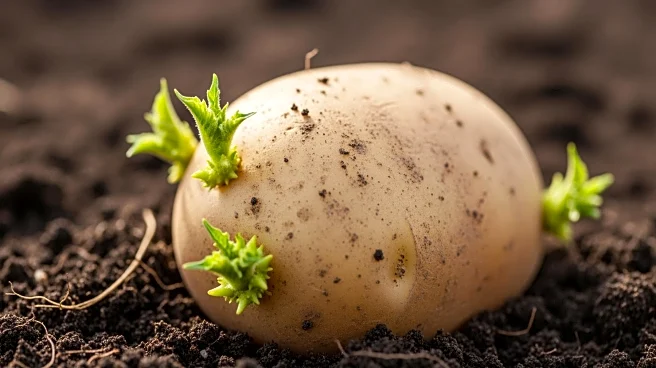
Potatoes are one of the most widely cultivated crops globally, with significant production in countries like China, India, and the United States. The crop's adaptability to various climates and soil types makes it a valuable agricultural commodity. Potatoes are grown in both temperate and tropical regions, contributing to their widespread cultivation.
The yield of potato crops is influenced by several factors, including seed quality, crop management practices, and environmental conditions. Advances in agricultural technology and breeding have led to increased yields and improved resistance to pests and diseases. However, challenges such as soil water deficits and climate change continue to impact potato production.
Environmental Considerations
Potato farming has both positive and negative environmental impacts. On the one hand, potatoes are efficient in converting sunlight into food energy, making them a productive crop. They also require less water than some other staple crops, which is beneficial in regions with limited water resources.
On the other hand, potato farming can contribute to soil degradation and water pollution if not managed sustainably. The use of fertilizers and pesticides can have adverse effects on the environment, highlighting the need for sustainable farming practices. Techniques such as crop rotation, integrated pest management, and organic farming can help mitigate these impacts.
Global Food Systems
Potatoes play a crucial role in global food systems, providing a reliable source of nutrition for millions of people. They are a staple food in many countries, contributing to food security and economic stability. The versatility of potatoes allows them to be used in various culinary applications, from fresh consumption to processed products like chips and fries.
The global trade of potatoes and potato products is a significant aspect of international agriculture. Countries with surplus production export potatoes to regions with higher demand, supporting global food distribution. However, trade barriers and market fluctuations can impact the availability and affordability of potatoes in different regions.
In conclusion, potatoes are a vital component of modern agriculture, influencing crop production, environmental practices, and global food systems. As the world faces challenges related to climate change and food security, the role of potatoes in sustainable agriculture will continue to be of great importance.