




Activated carbon, also known as activated charcoal, is a remarkable material with a wide range of applications. Its unique properties make it an essential component in many industries, from water purification to medicine. This article delves into the various uses of activated carbon, highlighting its versatility and importance in modern society.
Water and Air Purification
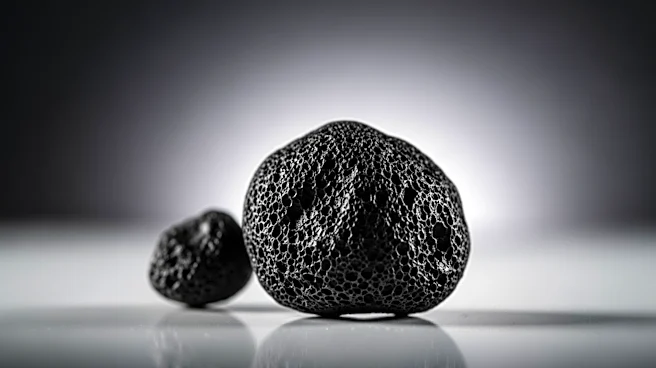
One of the most common uses of activated carbon is in the purification of water and air. Its highly porous
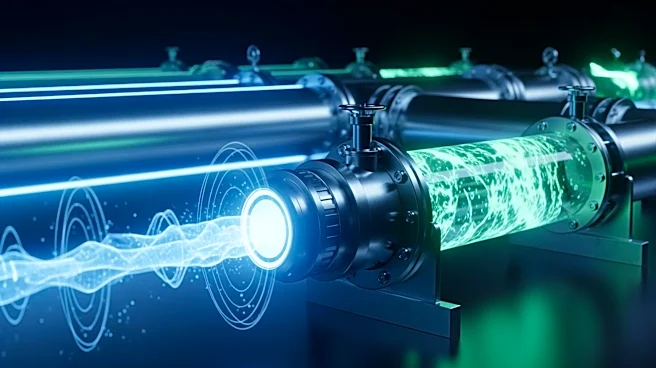
structure allows it to adsorb contaminants effectively, making it an ideal choice for filtering impurities. In water treatment, activated carbon is used to remove organic compounds, chlorine, and other pollutants, improving the taste and safety of drinking water. Similarly, in air purification, it helps eliminate odors and volatile organic compounds, ensuring cleaner and healthier air.
Activated carbon's ability to adsorb a wide range of substances makes it invaluable in industrial processes. It is used in the treatment of wastewater, where it removes toxins and reduces chemical oxygen demand. This not only helps in meeting environmental regulations but also protects aquatic life by preventing harmful substances from entering water bodies.
Medical Applications
In the medical field, activated carbon plays a crucial role in treating poisonings and overdoses. Its adsorptive properties allow it to bind to toxins in the gastrointestinal tract, preventing their absorption into the bloodstream. This makes it an effective treatment for certain types of poisonings when administered promptly.
Beyond emergency medicine, activated carbon is also used in over-the-counter products to address common digestive issues like diarrhea and indigestion. Its ability to adsorb gases can help alleviate symptoms of flatulence, providing relief to those affected. However, it is important to note that activated carbon is not effective against all types of poisons, and its use should be guided by medical professionals.
Industrial and Environmental Uses
Activated carbon's industrial applications extend beyond purification. It is used in the recovery of precious metals, such as gold, from mining operations. By adsorbing metal ions from solutions, activated carbon facilitates the extraction process, making it more efficient and cost-effective.
In environmental protection, activated carbon is employed to control emissions from industrial processes. It captures harmful gases and pollutants, reducing their release into the atmosphere. This not only helps industries comply with environmental regulations but also contributes to cleaner air and a healthier planet.
Activated carbon's versatility and effectiveness make it an indispensable material in various sectors. Its ability to purify, treat, and protect underscores its importance in addressing some of the most pressing challenges in water, air, and environmental management today.