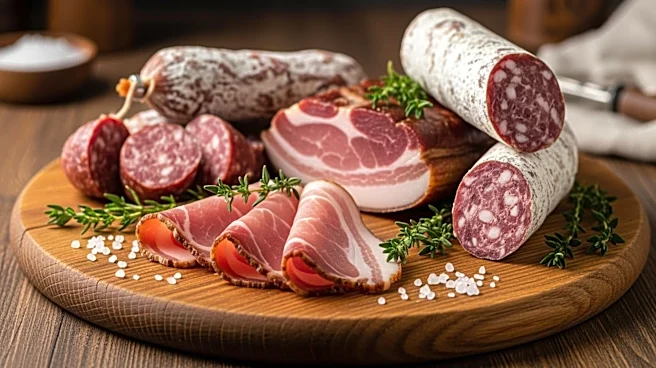




Charcuterie, the culinary art of preparing and preserving meat products, has a rich history deeply intertwined with pork. This traditional practice not only extends the shelf life of meat but also enhances its flavors, creating a variety of beloved products like ham, bacon, and sausages. This article delves into the world of charcuterie, focusing on the techniques and cultural significance of preserving pork.
Traditional Techniques in Charcuterie
Charcuterie encompasses a range of techniques
designed to preserve pork, each contributing unique flavors and textures. Curing, one of the oldest methods, involves using salt to draw out moisture and inhibit bacterial growth. This process is essential in creating products like ham and bacon, which are staples in many cuisines.
Smoking is another popular technique, adding a distinct flavor to pork products. The process involves exposing the meat to smoke from burning wood, which not only preserves the meat but also imparts a rich, smoky taste. Smoked sausages and bacon are prime examples of this method's delicious results.
Cultural Significance of Pork Charcuterie
Charcuterie has deep cultural roots, particularly in Europe, where it is celebrated as both a culinary art and a practical necessity. In France, charcutiers are skilled artisans who craft a wide array of pork products, from pâtés to terrines. Each region boasts its own specialties, reflecting local tastes and traditions.
In Spain, the art of curing pork is epitomized by jamón, a dry-cured ham that is a national treasure. The meticulous process of producing jamón involves carefully selecting and aging the meat, resulting in a product that is both flavorful and revered. Similarly, Italian pancetta and prosciutto showcase the country's expertise in pork preservation.
Modern Charcuterie and Its Evolution
While traditional charcuterie remains popular, modern innovations have expanded the possibilities of pork preservation. Today, charcuterie boards featuring a variety of meats, cheeses, and accompaniments are a trendy offering in restaurants and homes alike. This evolution reflects a growing appreciation for the craftsmanship and flavors of preserved pork.
The rise of artisanal charcuterie has also led to a renewed focus on quality and sustainability. Small-scale producers emphasize the use of high-quality, locally sourced pork, often employing traditional methods to create products with exceptional taste and texture. This movement not only honors the heritage of charcuterie but also adapts it to contemporary culinary values.
In conclusion, charcuterie is a testament to the enduring appeal of preserved pork. Through a blend of tradition and innovation, it continues to captivate palates and celebrate the rich flavors that pork has to offer.