


The Apollo 10 mission, launched in May 1969, was a testament to the technological advancements of its era. As a dress rehearsal for the first Moon landing, Apollo 10 required cutting-edge technology and engineering to ensure its success. The mission's spacecraft and launch vehicle were marvels of their time, showcasing the ingenuity and expertise of NASA and its partners.
The Saturn V Launch Vehicle
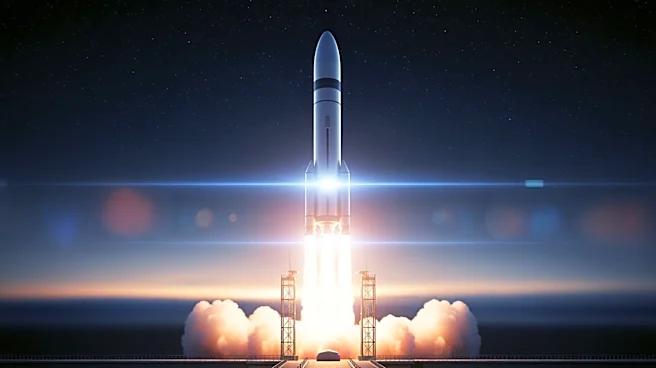
The launch vehicle for Apollo 10 was a Saturn V, designated AS-505. This was the
fifth flight-ready Saturn V to be launched and the third to take astronauts to orbit. The Saturn V was a technological marvel, designed to carry heavy payloads into space. For Apollo 10, the Saturn V differed from previous missions in having a lower dry weight in its first two stages, allowing it to carry a greater weight of propellant.
The S-II second stage of the Saturn V generated more thrust than that of Apollo 9, providing the necessary power to propel the spacecraft towards the Moon. The S-IVB third stage, although slightly heavier, played a crucial role in achieving trans-lunar injection, sending the spacecraft on its trajectory to the Moon. The Saturn V's performance was a key factor in the success of Apollo 10, demonstrating the capabilities of this powerful launch vehicle.
The Apollo Spacecraft
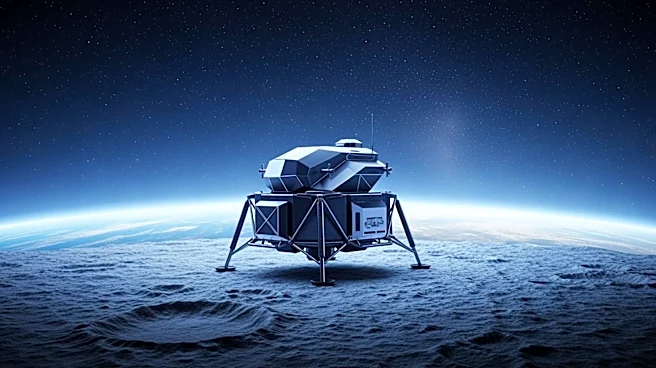
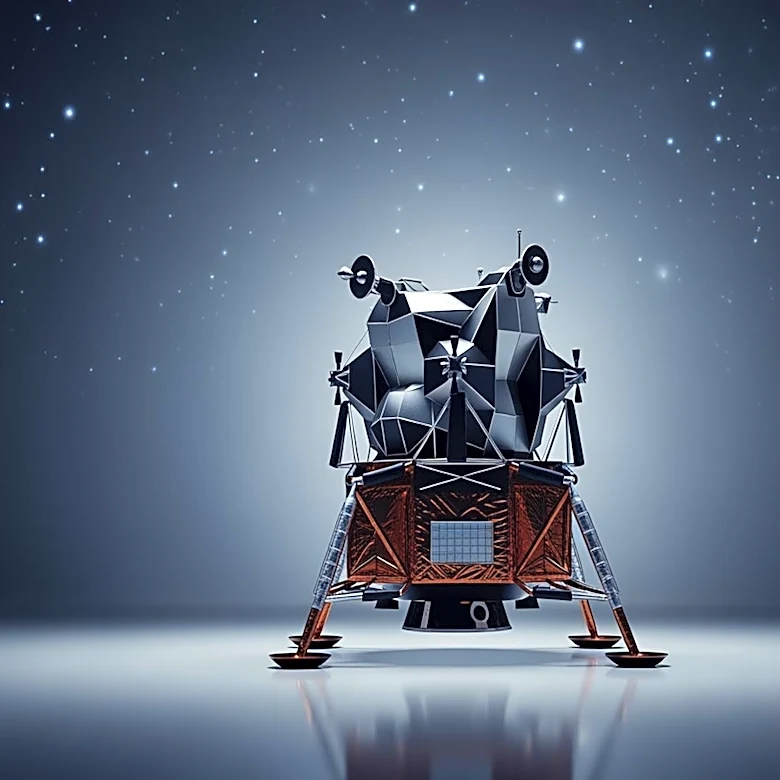
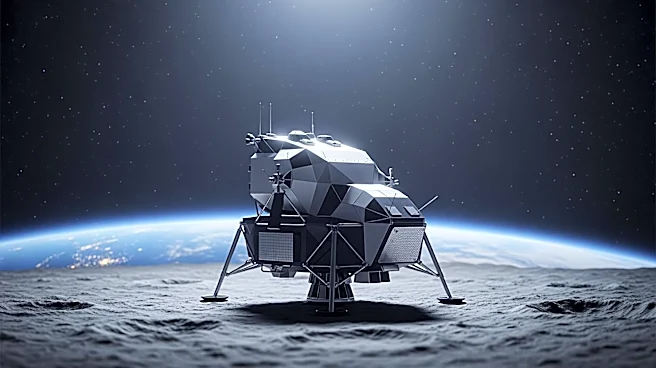
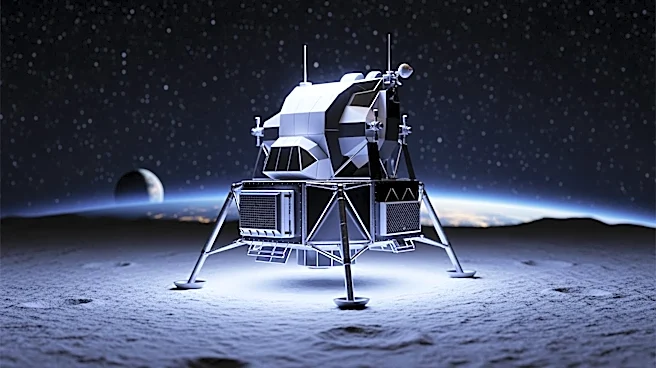
The Apollo spacecraft for the Apollo 10 mission was composed of several components: the Command Module (CM), Service Module (SM), and Lunar Module (LM). The CM, named Charlie Brown, housed the crew and served as the control center for the mission. The SM provided propulsion and support systems, while the LM, named Snoopy, was designed for lunar descent and ascent.
The LM was a critical component of the mission, tasked with flying to within 14.4 kilometers of the lunar surface. Although it was not capable of landing, the LM's performance in lunar orbit was essential for testing the procedures and systems needed for a successful lunar landing. The spacecraft's design and engineering were instrumental in achieving the mission's objectives and paving the way for Apollo 11.
Technological Achievements and Legacy
Apollo 10 set the record for the highest speed attained by a crewed vehicle relative to the Earth's surface, reaching 39,897 kilometers per hour during its return from the Moon. This achievement highlighted the mission's technological prowess and the capabilities of the spacecraft and launch vehicle.
The mission's success demonstrated the effectiveness of the Apollo program's technology and engineering, providing valuable data and experience for future lunar missions. The advancements made during Apollo 10 laid the groundwork for the historic Apollo 11 mission, which successfully landed humans on the Moon for the first time.
Apollo 10 remains a testament to the technological achievements of its time, showcasing the innovation and expertise that made lunar exploration possible. Its legacy continues to inspire advancements in space exploration and technology.