



Meditation is a practice that requires both mental focus and physical stability. The posture adopted during meditation plays a crucial role in achieving a state of calm and concentration. This article delves into the significance of stability and comfort in meditative postures, exploring how different positions can enhance the meditation experience.
Importance of Stability in Meditation
Stability is a fundamental aspect of meditation postures. A stable posture provides a solid foundation,
allowing the practitioner to focus their mind without being distracted by physical discomfort. Sitting positions, often cross-legged, are traditionally favored for their ability to offer stability. The lotus position, Padmasana, is renowned for its stability, with the feet placed on opposite thighs to create a balanced base.
Kneeling postures like Virasana and Vajrasana also offer stability, with the practitioner sitting between or on the heels. These positions help maintain an upright spine, which is essential for prolonged meditation sessions. The Yoga Sutras emphasize that a meditation seat should be steady and comfortable, highlighting the importance of stability in achieving a focused state of mind.
Comfort and Its Impact on Meditation
Comfort is equally important in meditation, as it allows the practitioner to relax and focus on their breath or mantra. Discomfort can lead to distraction, hindering the meditation process. Sukhasana, or easy pose, is a simple cross-legged position that prioritizes comfort, making it accessible to beginners and those with limited flexibility.
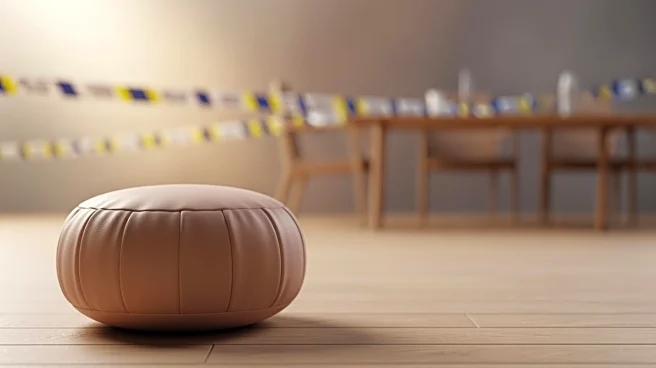
For those who find traditional postures challenging, modern adaptations such as sitting on a chair or using a meditation bench can provide comfort while maintaining spinal alignment. A zafu cushion is traditionally used to elevate the hips above the knees, promoting a straight and upright spine. This support is particularly beneficial for individuals with stiff hips, allowing them to meditate comfortably.
Balancing Stability and Comfort
Finding the right balance between stability and comfort is key to a successful meditation practice. While some postures offer greater stability, they may require practice to achieve comfort. The lotus position, for example, can be uncomfortable for those not accustomed to sitting cross-legged, potentially causing knee pain or injury.
Practitioners are encouraged to explore different postures and supports to find what works best for them. Whether using a traditional cushion, a chair, or a bench, the goal is to maintain a posture that is both stable and comfortable, allowing for a focused and relaxed meditation experience.
In conclusion, the posture adopted during meditation significantly impacts the practice. By prioritizing stability and comfort, practitioners can enhance their meditation experience, achieving a state of calm and concentration that supports their mental and spiritual growth.