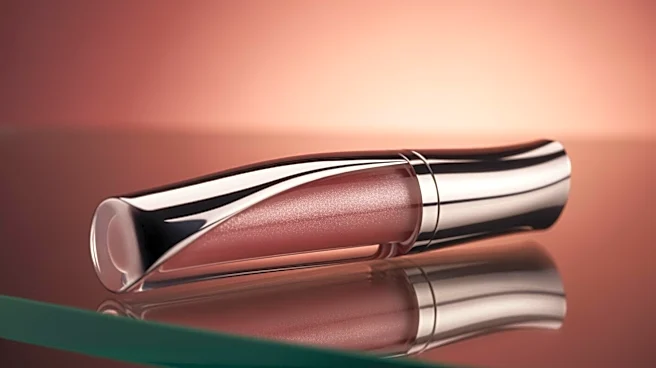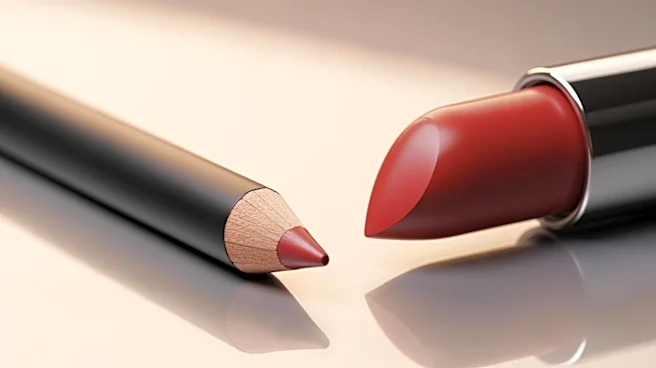





Lip gloss is a popular cosmetic product known for its glossy finish and subtle color. While it may seem simple, the formulation of lip gloss involves a careful balance of ingredients that contribute to its texture and appearance. Understanding these components can provide insight into what makes lip gloss shine and how it differs from other lip products like lipstick and lip balm.
The Core Ingredients
Like lipstick, lip gloss is a mixture of waxes, oils, and pigments.
However, lip gloss contains fewer pigments, often pale in color or diluted to less than 3%. This results in a more translucent finish compared to the solid, pigmented color of lipstick. The free-flowing nature of lip gloss requires less wax, allowing for a smoother application.
The principal components of lip gloss include lanolin and polybutene. Lanolin is known for its moisturizing qualities, making it feel good on the lips while imparting gloss. Polybutene contributes to the product's viscosity, ensuring it spreads evenly across the lips. These ingredients work together to create the signature shine and texture of lip gloss.
Variations in Finish
Lip gloss is available in a range of finishes, from frosted and glittery to glossy and metallic. The choice of finish often depends on the additional ingredients used in the formulation. Glittery lip gloss, for example, includes a glitter base that adds sparkle to the lips, while metallic glosses incorporate metallic pigments for a reflective sheen.
New types of "plumping" lip gloss contain ingredients designed to make the lips appear softer and fuller. These lifter glosses offer a temporary effect, often accompanied by a tingling sensation upon application. While not as effective as cosmetic injections, plumping glosses provide a quick and easy way to enhance lip volume.
Health and Safety Considerations
While lip gloss products are generally considered safe, certain ingredients can pose health considerations for sensitive individuals. Fragrances, flavorings, preservatives, and color additives may cause allergic reactions or skin irritation, resulting in symptoms like redness, dryness, itching, or swelling.
Some formulations may contain trace amounts of substances subject to regulatory limits, such as heavy metals like lead. Regulatory agencies set maximum allowable levels for these substances to reduce potential health risks. Additionally, hygiene concerns arise from applicators that come into direct contact with the lips, which can harbor bacteria if shared or improperly stored.