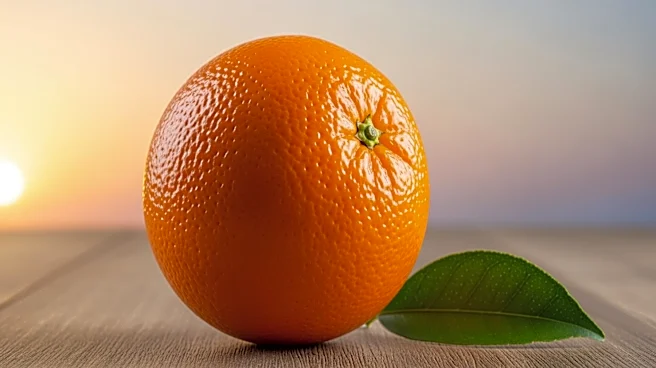




The sweet orange, known scientifically as Citrus × sinensis, has a rich history that traces back to its origins in East Asia. This citrus fruit, a hybrid between the pomelo and the mandarin, has traveled across continents, becoming a staple in diets worldwide. Its journey from a domesticated fruit in East Asia to a globally cultivated crop is a fascinating tale of agricultural spread and cultural integration.
Origins in East Asia
The sweet orange is not a wild fruit but
rather a product of domestication in a region that includes Southern China, Northeast India, and Myanmar. This area is where the earliest mentions of the sweet orange appear in Chinese literature, dating back to 314 BC. The fruit was created through a cross between a non-pure mandarin orange and a hybrid pomelo, with the pomelo likely being the maternal parent. This hybridization resulted in a fruit that is approximately 42% pomelo and 58% mandarin.
The domestication of the sweet orange in East Asia set the stage for its eventual spread across the globe. The fruit's appealing taste and nutritional benefits, particularly its high vitamin C content, made it a desirable commodity for trade and cultivation.
Spread to Europe and the Americas
The sweet orange made its way to Europe through the efforts of Italian and Portuguese merchants in the late 15th and early 16th centuries. It quickly became a luxury item, grown in private conservatories known as orangeries. By the 17th century, the sweet orange was well-known throughout Europe, with notable cultivation at the Palace of Versailles.
The fruit's journey continued across the Atlantic, where Spanish travelers introduced it to the Americas. Christopher Columbus is believed to have planted orange trees on Hispaniola during his second voyage in 1493. The sweet orange spread to South America, Mexico, and Florida by the mid-1500s, with further introductions to Arizona and California by Spanish missionaries in the 18th century.
Modern Cultivation and Global Impact
Today, the sweet orange is a major agricultural product, with Brazil, India, and China leading global production. In 2022, 76 million tonnes of oranges were grown worldwide. The fruit is consumed fresh, processed for juice, and used for its fragrant peel.
The sweet orange's journey from East Asia to global cultivation highlights the fruit's adaptability and appeal. Its spread across continents has not only enriched diets but also influenced cultural practices and agricultural economies worldwide. The sweet orange remains a testament to the interconnectedness of global trade and the enduring appeal of this vibrant citrus fruit.