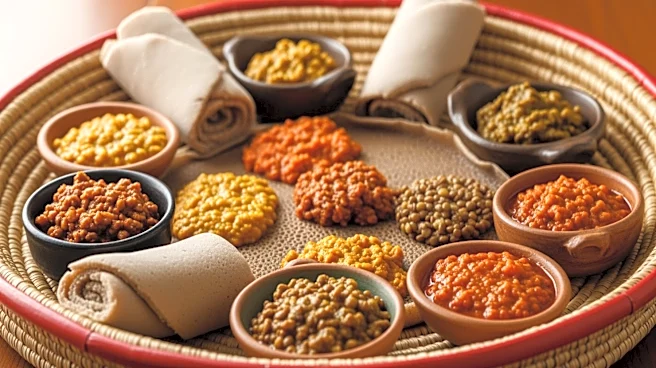


Ethiopian cuisine is a vibrant tapestry of flavors and textures, deeply rooted in the country's cultural and agricultural heritage. Known for its spicy stews and unique flatbreads, Ethiopian food offers a culinary experience that is both communal and deeply satisfying. At the heart of this cuisine is injera, a sourdough flatbread made from teff flour, which serves as both a plate and utensil. Accompanying injera are various stews, known as wat, which are rich
in spices and often feature meat, legumes, and vegetables.
The Staple of Injera
Injera is more than just a bread; it is the foundation of Ethiopian meals. Made from teff flour, injera is a large, spongy flatbread with a slightly sour taste due to fermentation. This unique bread is used to scoop up stews and side dishes, making it an integral part of the dining experience. The preparation of injera involves mixing teff flour with water and allowing it to ferment, which gives it its distinctive flavor and texture. The bread is then cooked on a large griddle, resulting in a soft, porous surface perfect for absorbing the flavors of accompanying dishes.
The Spicy Stews: Wat
Wat is a term used to describe the thick, spicy stews that are a staple in Ethiopian cuisine. These stews are typically made with a variety of meats, such as beef, lamb, or chicken, and are seasoned with a blend of spices known as berbere. Berbere is a key ingredient that includes chili peppers, garlic, ginger, and other spices, giving the stews their characteristic heat and depth of flavor. Doro wat, a chicken stew, is particularly popular and is often served during special occasions. The preparation of wat begins with sautéing onions in niter kibbeh, a clarified butter infused with spices, before adding the meat and berbere.
The Role of Spices
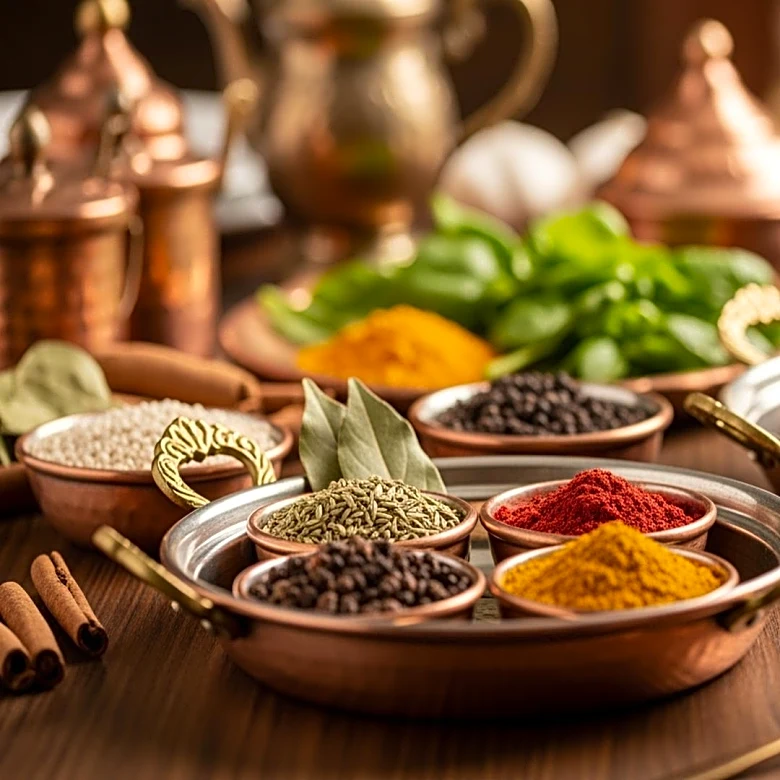
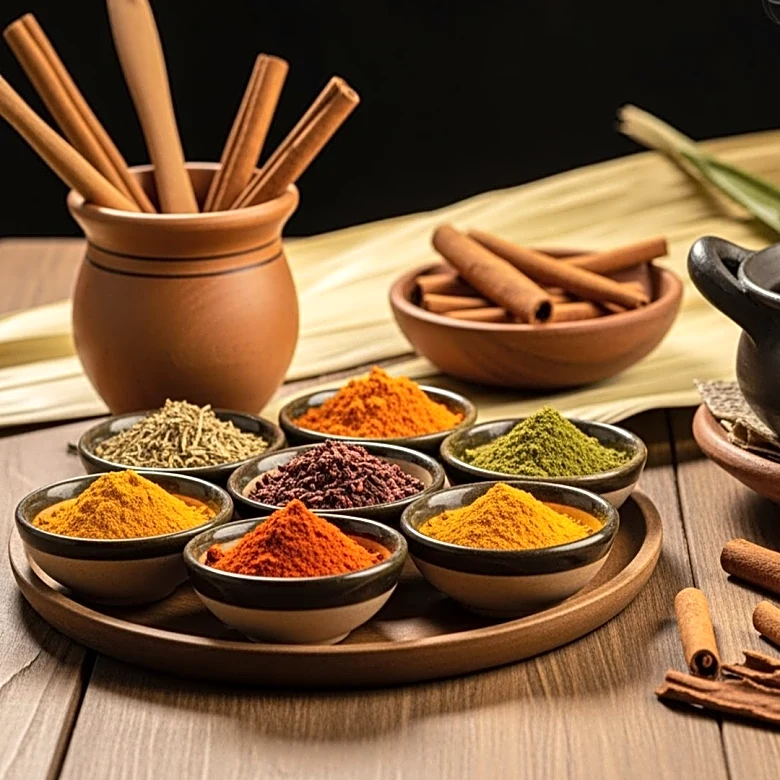
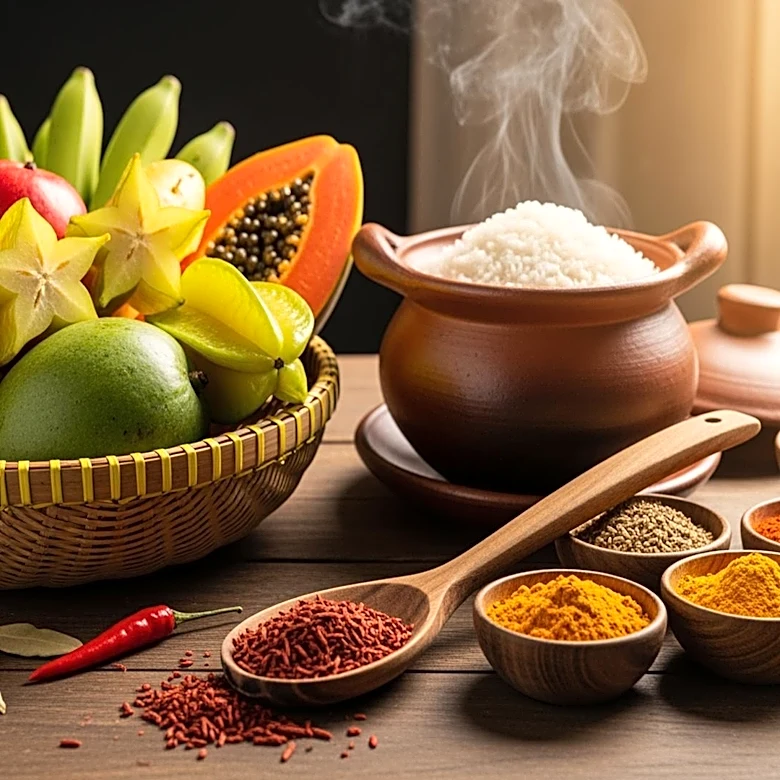
Spices play a crucial role in Ethiopian cuisine, with berbere being the most prominent. This spice mix is a blend of chili peppers, garlic, ginger, and other spices, and is used to flavor a wide range of dishes. Another important spice mix is mitmita, which includes birdseye chili peppers, cardamom, and cloves. These spices not only add heat but also enhance the overall flavor profile of the dishes. Niter kibbeh, a spiced clarified butter, is also essential in Ethiopian cooking, used to sauté onions and meats, adding richness and depth to the stews.
Ethiopian cuisine is a celebration of flavors, textures, and communal dining. With its unique use of injera and richly spiced stews, it offers a culinary experience that is both distinctive and deeply rooted in tradition.