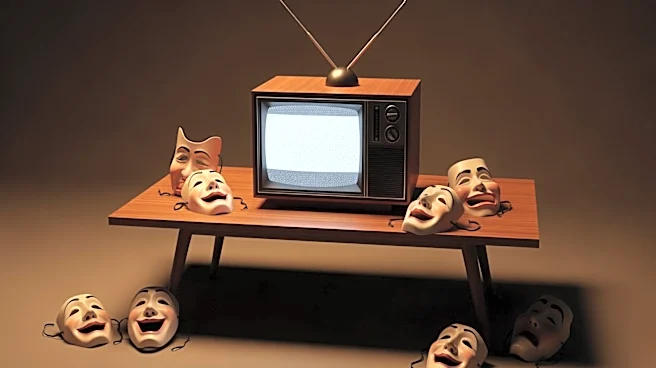




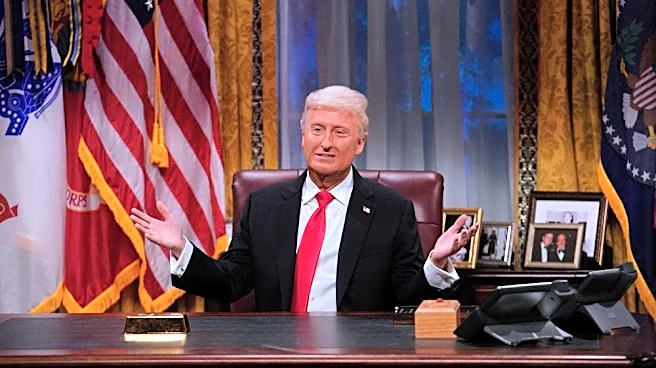

Comedy has long played a significant role in society, serving as both a source of entertainment and a tool for social commentary. From the political satire of ancient Greece to the modern-day stand-up routines that tackle contemporary issues, comedy has the power to influence public opinion and provoke thought. This article examines the social and cultural impact of comedy throughout history, highlighting its ability to challenge norms and inspire
change.
Ancient Greek Satire and Public Opinion
In ancient Greece, comedy was an integral part of Athenian democracy, with comic poets using satire to influence the public opinion of voters. Through their performances in theaters, these poets critiqued political figures and societal conventions, encouraging audiences to question authority and reflect on the state of their society. This early form of political satire laid the groundwork for future generations of comedians who would use humor to address social and political issues.
The works of Aristophanes, a prominent figure in ancient Greek comedy, exemplify the power of satire to engage and provoke audiences. His plays, characterized by their sharp wit and biting commentary, continue to be performed today, demonstrating the enduring relevance of comedic critique.
Comedy as a Mirror of Society
Throughout history, comedy has served as a mirror of society, reflecting its values, norms, and contradictions. By highlighting the absurdities and inconsistencies of human behavior, comedy encourages audiences to reconsider their assumptions and beliefs. This reflective quality is evident in various comedic forms, from the comedy of manners that satirizes social class to the romantic comedies that explore the complexities of love and relationships.
In addition to providing entertainment, comedy offers a unique perspective on societal issues, using humor to address topics that might otherwise be difficult to discuss. By making audiences laugh, comedians can broach sensitive subjects and foster dialogue, promoting understanding and empathy.
Modern Comedy and Social Change
In the modern era, comedy continues to play a vital role in shaping public discourse and driving social change. Stand-up comedians, in particular, have become influential voices, using their platforms to challenge stereotypes, question authority, and advocate for marginalized communities. Through their performances, they create spaces for dialogue and reflection, encouraging audiences to engage with important social issues.
Television shows and films also contribute to comedy's impact on society, using humor to address topics such as race, gender, and politics. By presenting these issues in a comedic context, creators can reach a wide audience and inspire change through laughter.
In conclusion, comedy's role in society extends beyond mere entertainment, serving as a powerful tool for social commentary and reflection. As the genre continues to evolve, it remains an essential part of the cultural landscape, using humor to challenge norms and inspire progress.