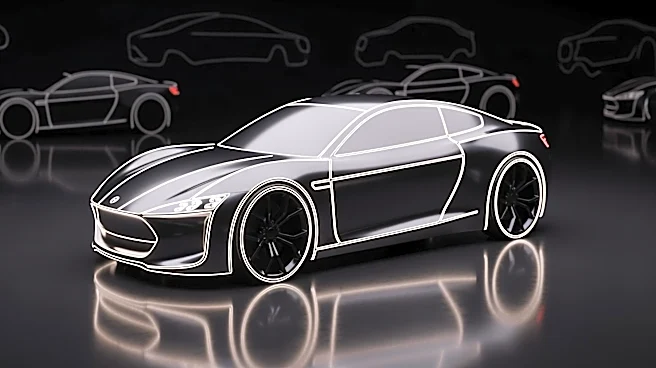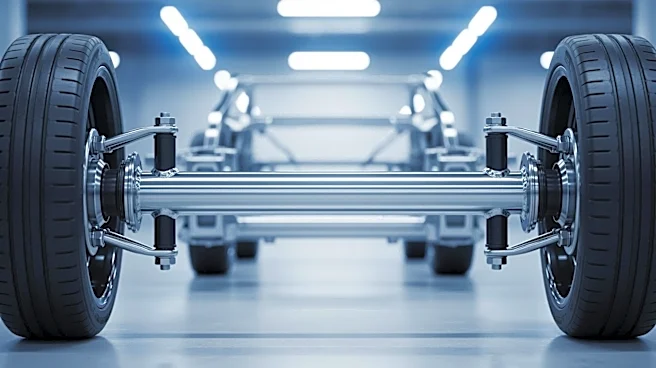




The wheelbase of a vehicle is a fundamental aspect of its design, influencing not only its appearance but also its functionality and performance. Defined as the distance between the centers of the front and rear wheels, the wheelbase plays a crucial role in determining a vehicle's stability, handling, and interior space. Understanding the significance of wheelbase in vehicle design is essential for appreciating how different vehicles are tailored
to meet specific needs.
The Influence of Wheelbase on Vehicle Stability
One of the primary functions of the wheelbase is to contribute to a vehicle's stability. A longer wheelbase generally provides more stability, especially at high speeds, as it allows for a more even distribution of weight across the vehicle. This is particularly important for vehicles designed for highway driving or carrying heavy loads, such as trucks and buses.
In contrast, a shorter wheelbase can enhance a vehicle's agility and maneuverability, making it more suitable for urban environments and tight corners. However, this increased agility can come at the cost of stability, as shorter wheelbase vehicles may be more prone to tipping or rolling over during sharp turns. This trade-off between stability and agility is a key consideration in vehicle design, influencing everything from family sedans to high-performance sports cars.
Wheelbase and Interior Space
The wheelbase also affects the interior space of a vehicle, particularly in terms of legroom and overall comfort. A longer wheelbase allows for more space between the front and rear seats, providing additional legroom for passengers and enhancing the overall comfort of the vehicle. This is why luxury vehicles and limousines often feature extended wheelbases, offering a more spacious and comfortable ride.
Conversely, vehicles with shorter wheelbases may have less interior space, but they often compensate for this with increased maneuverability and a more compact design. This makes them ideal for city driving and parking in tight spaces. By carefully designing the wheelbase, manufacturers can balance the need for interior space with the desire for a compact and agile vehicle.
Wheelbase in Different Vehicle Types
Different types of vehicles have varying wheelbase lengths to suit their specific purposes. For example, sports cars and compact vehicles typically have shorter wheelbases to enhance performance and handling, while SUVs and family cars often have longer wheelbases to provide additional stability and interior space.
In the world of rail vehicles, the concept of wheelbase is also important, though it is measured differently due to the unique design of trains and locomotives. Regardless of the vehicle type, the wheelbase remains a fundamental aspect of vehicle design, influencing everything from stability to passenger comfort.