





Vehicle burnouts have transcended their origins in drag racing to become a cultural phenomenon in various parts of the world. Known for their dramatic display of smoke and power, burnouts have captured the imagination of automotive enthusiasts and spectators alike. This article explores the cultural significance and popularity of vehicle burnouts in different regions, highlighting their role in motorsport and entertainment.
Origins and Evolution
The practice of burnouts
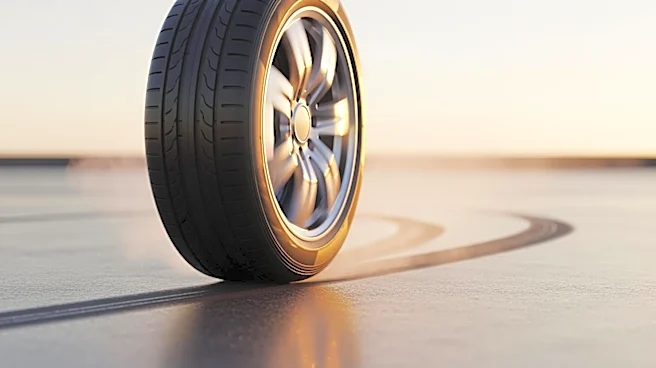
began in the mid-1960s at Ted Edwards Drag Strip in Fairburn, Georgia. Initially a technique used in drag racing to heat tires for better traction, burnouts quickly gained popularity for their visual appeal. The spectacle of smoke billowing from spinning tires captivated audiences, leading to the practice becoming a staple in motorsport events.
As burnouts spread across the United States, they found a particularly enthusiastic following in California, where the sport became more organized and popular. The cultural impact of burnouts in California helped solidify their place in automotive culture, influencing car shows, street racing, and competitive events.
Burnouts in Australia
Australia has embraced burnouts as a significant part of its motorsport culture. Burnout contests are a popular form of entertainment, with events judged on crowd response, style, and attitude. These contests often feature considerable prize money or goods, and cars may be sponsored or purpose-built specifically as "burnout cars."
The popularity of burnouts in Australia is reflected in the country's motorsport events, where they are a highlight for spectators. The cultural significance of burnouts in Australia is evident in the enthusiasm and creativity displayed by participants, who often go to great lengths to impress the crowd with their skills and showmanship.
Legal and Social Considerations
While burnouts are celebrated in motorsport, they are often illegal on public property due to safety and environmental concerns. In regions like New South Wales, Australia, police have the authority to confiscate vehicles for performing burnouts on public roads. This legal framework underscores the need for responsible and regulated environments for burnouts.
Despite these restrictions, burnouts remain a popular form of expression and celebration in the automotive community. Winning drivers in NASCAR often perform burnouts to celebrate their victory, showcasing the practice's role as both a technical maneuver and a cultural tradition.
The cultural impact of vehicle burnouts is a testament to their enduring appeal and significance in motorsport. As a blend of art, science, and entertainment, burnouts continue to captivate audiences and inspire automotive enthusiasts around the world.