





Swimsuits have undergone significant transformations over the years, reflecting changes in societal norms, fashion trends, and technological advancements. Initially designed for modesty, swimsuits have evolved into a diverse array of styles catering to various activities and personal preferences. This article delves into the historical journey of swimsuits, highlighting key milestones and shifts in design.
Early Beginnings and Modesty
In the early days, swimsuits were primarily
about modesty. During the 18th and 19th centuries, swimwear for women consisted of long dresses made from heavy fabrics like wool, designed to cover the body completely. These garments were cumbersome and impractical for swimming, but they adhered to the strict modesty standards of the time. Men, on the other hand, often swam nude or in simple loincloths, as societal norms were less stringent for them.
As the 20th century approached, swimwear began to change. The introduction of the Annette Kellerman swimsuit in the early 1900s marked a significant shift. This one-piece suit, which exposed the arms and legs, was revolutionary and controversial, leading to Kellerman's arrest for indecent exposure. However, it paved the way for more practical and less restrictive swimwear designs.
The Rise of Functional Swimwear
The 1930s and 1940s saw further advancements in swimwear design, driven by the development of new materials like latex and nylon. These fabrics allowed for tighter, more form-fitting swimsuits that were both functional and fashionable. The focus shifted from merely covering the body to enhancing the swimmer's performance and comfort.
During this period, swimsuits became more streamlined, with lower necklines and higher cut legs. The introduction of the bikini in 1946 by Louis Réard was a pivotal moment, challenging existing norms and offering women a more daring option. Although initially met with resistance, the bikini gradually gained acceptance and became a symbol of liberation and modernity.
Modern Innovations and Diversity
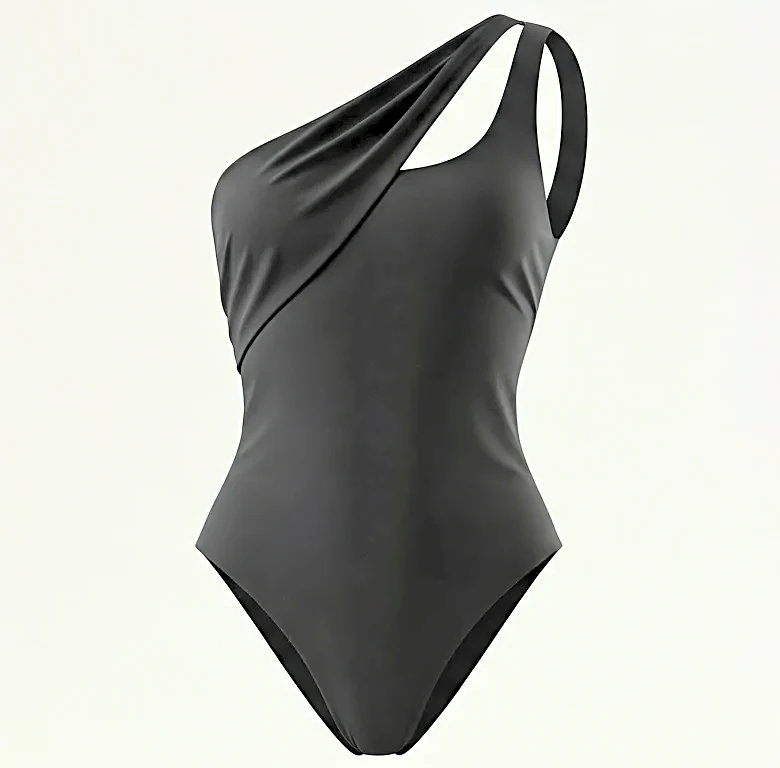
Today, swimsuits are available in a wide range of styles, catering to different activities and personal preferences. From competitive swimwear designed for speed and efficiency to fashion-forward bikinis and one-pieces, the options are endless. Modern materials like spandex and polyester have further enhanced the functionality and durability of swimwear.
The evolution of swimsuits reflects broader societal changes, including shifts in attitudes towards body image and gender norms. As swimwear continues to evolve, it remains a fascinating intersection of fashion, function, and cultural expression. Whether for sport, leisure, or fashion, swimsuits have come a long way from their modest beginnings, embracing diversity and innovation in design.