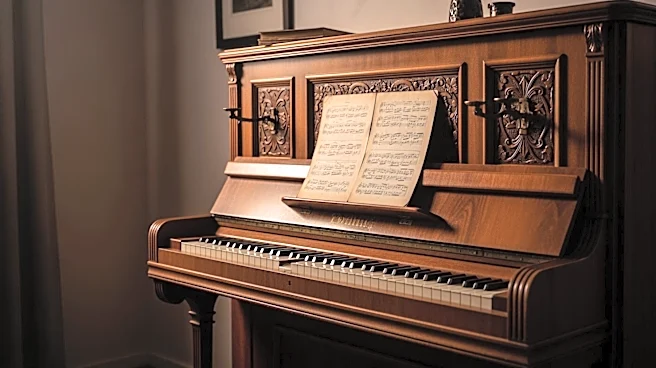








August Wilson's 'The Piano Lesson' is a rich tapestry of character interactions and relationships that drive the narrative forward. Set in the Charles household, the play centers around the conflict between siblings Berniece and Boy Willie over a family heirloom piano. Through their interactions, Wilson explores themes of legacy, identity, and the struggle to reconcile past and present. The dynamics between the characters reveal the complexities of family ties and the impact
of history on personal relationships.
Berniece and Boy Willie
The central conflict in 'The Piano Lesson' revolves around Berniece and Boy Willie, whose differing views on the piano symbolize their contrasting approaches to their family's legacy. Berniece, the guardian of the family's history, sees the piano as a sacred artifact that must be preserved. Her refusal to sell the piano is rooted in her desire to honor her ancestors and maintain a connection to their past. Boy Willie, on the other hand, views the piano as a means to an end—a way to purchase land and secure his future. Their arguments highlight the tension between preserving history and pursuing progress, a theme that resonates throughout the play.
Supporting Characters
The supporting characters in 'The Piano Lesson' add depth to the narrative and provide additional perspectives on the central conflict. Doaker, the uncle of Berniece and Boy Willie, serves as a storyteller, recounting the piano's history and the family's struggles. His neutral stance on the piano's fate reflects his understanding of both siblings' viewpoints. Lymon, Boy Willie's friend, offers a sympathetic ear and a desire to escape the past, while Wining Boy, the elder brother of Doaker, provides comic relief and a reminder of the family's musical heritage. Each character contributes to the play's exploration of identity and legacy.
Maretha and the Future Generation
Maretha, Berniece's young daughter, represents the future generation of the Charles family. Her interactions with the piano are carefully managed by Berniece, who seeks to protect her from the burdens of their family's history. Maretha's role in the play underscores the theme of legacy and the importance of passing down cultural heritage. As Berniece begins to teach Maretha how to play the piano, she acknowledges the significance of the past while preparing her daughter for the future. This dynamic highlights the ongoing struggle to balance tradition and progress within the family.