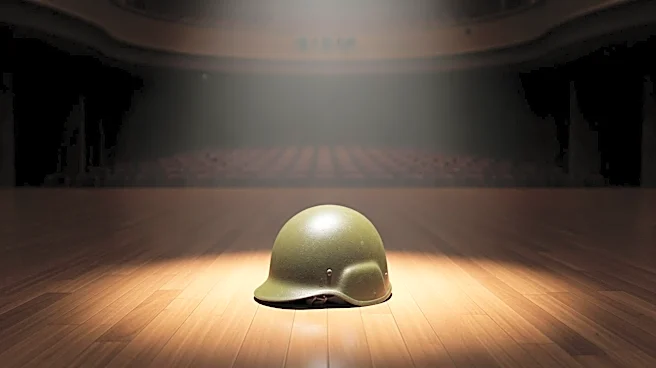








David Rabe's 'The Basic Training of Pavlo Hummel' is not only a significant work within his Vietnam War trilogy but also a pivotal piece in the landscape of American theater. Premiering in 1971, the play marked a shift in the portrayal of war and its effects on individuals, offering audiences a raw and unfiltered look at the human cost of conflict. This article explores the cultural significance of the play and its lasting impact on American theater.
A New Perspective on War
'The Basic Training of Pavlo Hummel' introduced a fresh perspective on the Vietnam War, challenging the traditional narratives that had dominated American theater. Rabe's portrayal of Pavlo Hummel, a soldier grappling with the realities of military life, offered audiences a candid look at the psychological and emotional toll of war. This approach resonated with viewers, many of whom were grappling with their own perceptions of the Vietnam conflict.
The play's focus on the individual experience of war, rather than the broader political context, marked a departure from previous works. By centering the narrative on Hummel's personal struggles, Rabe invited audiences to engage with the human aspects of conflict, fostering empathy and understanding. This shift in perspective contributed to a broader cultural dialogue about the Vietnam War and its impact on American society.
Influence on Playwriting
Rabe's innovative approach to storytelling in 'The Basic Training of Pavlo Hummel' had a profound influence on playwriting, inspiring a new generation of playwrights to explore complex themes and characters. The play's success demonstrated the power of theater as a medium for social commentary, encouraging writers to tackle challenging subjects and push the boundaries of traditional narratives.
The use of a Greek chorus-like character in Ardell, who serves as both an officer and a manifestation of Hummel's conscience, exemplifies Rabe's creative storytelling techniques. This element added depth to the narrative, allowing for a multifaceted exploration of Hummel's internal conflicts. Rabe's willingness to experiment with form and structure paved the way for future playwrights to innovate and expand the possibilities of theatrical storytelling.
Legacy and Recognition
Since its premiere, 'The Basic Training of Pavlo Hummel' has been recognized as a seminal work in American theater, earning accolades for its bold portrayal of war and its impact on individuals. The play's success off-Broadway and its subsequent Broadway run underscored its cultural significance, solidifying Rabe's reputation as a leading voice in contemporary theater.
The play's legacy is evident in its continued relevance, as it remains a powerful commentary on the human experience of war. Its themes of identity, conflict, and mortality resonate with audiences, offering insights into the complexities of the human condition. As part of Rabe's Vietnam War trilogy, 'The Basic Training of Pavlo Hummel' continues to influence discussions about the role of theater in addressing social issues and shaping cultural narratives.
Through its innovative storytelling and poignant exploration of war, 'The Basic Training of Pavlo Hummel' has left an indelible mark on American theater, inspiring future generations of playwrights and audiences alike.