
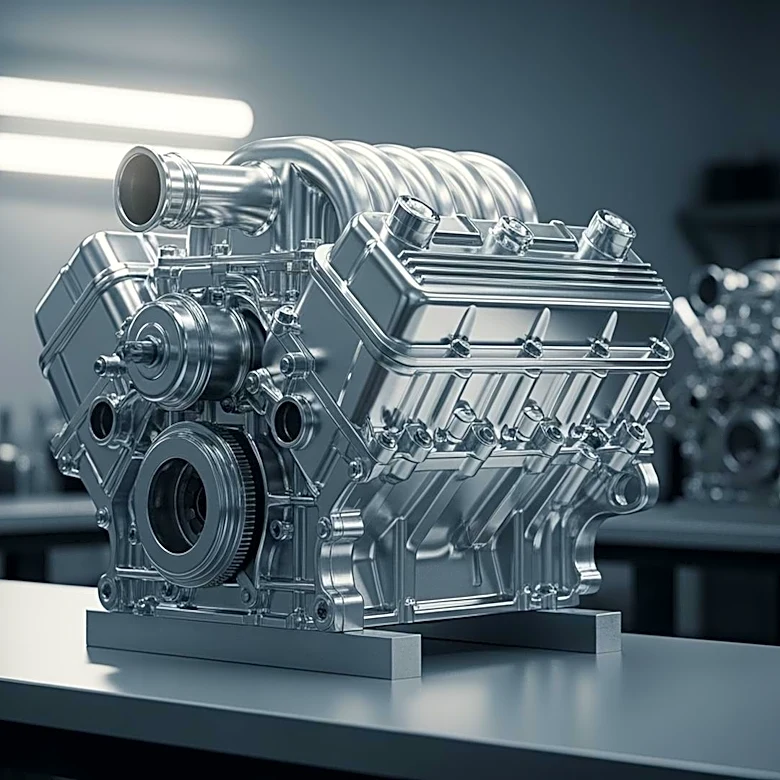


Direct injection systems have revolutionized the way fuel is delivered in automotive engines, offering improved efficiency and reduced emissions. This article explores the historical development of direct injection systems, highlighting key milestones and technological advancements that have shaped their evolution. From early innovations to modern implementations, direct injection has become a cornerstone of engine design.
Early Innovations and Developments
The concept of direct injection,
where fuel is injected directly into the combustion chamber, dates back to the early 20th century. Initially, these systems were used in diesel engines, which inherently required high-pressure fuel delivery for efficient combustion. The early systems were primarily mechanical, relying on intricate pump mechanisms to achieve the necessary pressure and timing.
As technology advanced, the automotive industry began to explore the potential of direct injection for gasoline engines. The transition from carburetors to fuel injection systems marked a significant shift in engine design. By the mid-20th century, direct injection systems were being developed for aircraft engines, showcasing their potential for high-performance applications.
The Rise of Common-Rail Systems
A major breakthrough in direct injection technology came with the introduction of common-rail systems. These systems utilize a high-pressure fuel rail to deliver fuel to each injector, allowing for precise control over injection timing and quantity. The common-rail system's ability to maintain consistent pressure across all injectors led to improved fuel atomization and combustion efficiency.
Common-rail systems quickly gained popularity in diesel engines, where their benefits were most pronounced. The ability to inject fuel at extremely high pressures, sometimes exceeding 2,000 bar, resulted in more complete combustion and reduced emissions. This technology laid the groundwork for the widespread adoption of direct injection in both diesel and gasoline engines.
Modern Applications and Future Prospects
Today, direct injection systems are a standard feature in many modern vehicles, offering enhanced performance and fuel economy. Gasoline direct injection (GDI) systems have become particularly prevalent, allowing for higher compression ratios and more efficient combustion. These systems have been instrumental in meeting stringent emissions regulations while delivering the power and responsiveness that drivers expect.
Looking ahead, the future of direct injection systems is likely to involve further integration with hybrid and electric powertrains. As automotive manufacturers continue to innovate, direct injection technology will play a crucial role in achieving the balance between performance, efficiency, and environmental sustainability. The ongoing evolution of direct injection systems promises to drive the next generation of automotive advancements.