




Estadio Gran Parque Central is not just a stadium; it is a symbol of Uruguayan football and national pride. Located in the La Blanqueada neighborhood of Montevideo, it serves as the home of Club Nacional de Football and has been a central figure in the country's football history. Its significance extends beyond sports, reflecting the patriotic feelings and cultural identity of Uruguayans.
Cultural Impact and National Pride
The stadium's cultural impact is deeply rooted in its history
and the events it has hosted. Before becoming a sports venue, the site was known as "Quinta de la Paraguaya," where Uruguay's national hero José Artigas was named leader of the Uruguayan people in 1811. This historical connection adds a layer of national pride to the stadium's identity.
As the home of Club Nacional de Football, the Gran Parque Central has witnessed numerous championships and memorable matches. The stadium's role in hosting the Uruguay national team until 1930 further cemented its status as a symbol of national pride. It has been a venue for significant tournaments, including the Copa América and the FIFA World Cup, showcasing Uruguay's football prowess on the international stage.
Symbolic Role in Football History
Estadio Gran Parque Central's symbolic role in football history is highlighted by its involvement in the 1930 FIFA World Cup. Hosting the opening match of the first World Cup, the stadium became a part of football lore. FIFA has recognized this historical significance with commemorative plaques and visits from its presidents, emphasizing the stadium's importance in the sport's history.
The stadium's legacy is celebrated by Tricolor supporters, who refer to it as the first World Cup stadium. This recognition underscores its symbolic role in football history and its contribution to Uruguay's reputation as a football powerhouse. The Gran Parque Central continues to be a venue for international events, maintaining its status as a symbol of Uruguayan football.
Continuing Legacy and Modernization
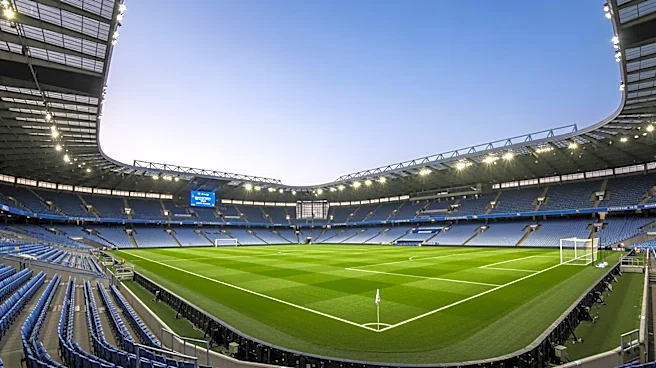
The modernization of Estadio Gran Parque Central has ensured its continued relevance in the sporting world. Renovations have expanded its capacity and updated its facilities, allowing it to host events like the 2021 Women's Copa Libertadores final. The stadium's modern amenities, including advanced lighting and a giant screen, enhance its appeal as a premier venue.
The Gran Parque Central's ongoing legacy is a testament to its cultural and symbolic impact on Uruguayan football. It remains a cherished landmark, reflecting the country's rich football history and national pride. As a venue for both sporting and cultural events, the stadium continues to be a vital part of Uruguay's identity.