
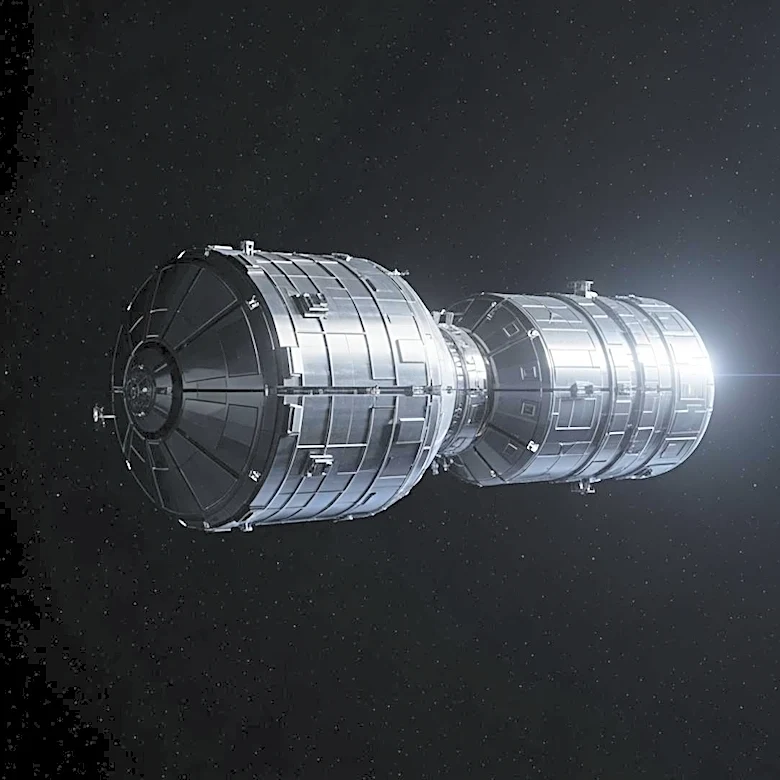


SpaceX Dragon 1 stands as a testament to technological innovation in the realm of space exploration. Developed by SpaceX, this partially reusable cargo spacecraft was designed to resupply the International Space Station (ISS) efficiently. This article explores the technological features and design elements that made Dragon 1 a marvel of modern engineering.
Design and Structure
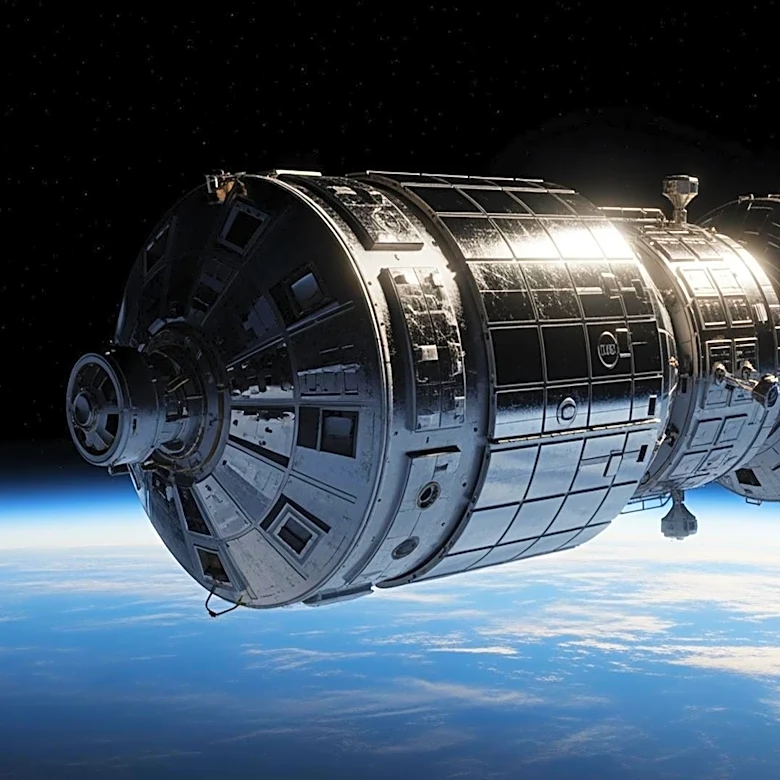
The Dragon spacecraft consists of a nose-cone cap, a conventional blunt-cone ballistic capsule,
and an unpressurized cargo-carrier trunk equipped with two solar arrays. The capsule uses a PICA-X heat shield, a proprietary variant of NASA's Phenolic impregnated carbon ablator (PICA) material, designed to protect the capsule during Earth atmospheric entry. This design allows Dragon to survive high return velocities from lunar and Martian missions.
The Dragon capsule is re-usable, capable of flying multiple missions. However, the trunk is not recoverable; it separates from the capsule before re-entry and burns up in Earth's atmosphere. The trunk section, which carries the spacecraft's solar panels, also allows the transport of unpressurized cargo to the ISS. The spacecraft is launched atop a Falcon 9 booster, equipped with 18 Draco thrusters for maneuvering.
Advanced Systems and Capabilities
Dragon 1's design includes several advanced systems that enhance its operational capabilities. The spacecraft employs a fault-tolerant triple redundant computer architecture, ensuring resilience against spurious radiation events. This system uses three pairs of computers, each constantly checking on the others, to instantiate a fault-tolerant design. In the event of a radiation upset or soft error, one of the computer pairs will perform a soft reboot.
For ISS cargo flights, Dragon is grappled by the station's Canadarm2 and berthed using a Common Berthing Mechanism. The spacecraft does not have an independent means of maintaining a breathable atmosphere for astronauts, instead circulating fresh air from the ISS. Dragon is planned to remain berthed to the ISS for about 30 days, transporting up to 3,310 kilograms of cargo.
Reusability and Impact
Dragon 1's reusability is a key feature that sets it apart from other spacecraft. The ability to refurbish and reuse capsules reduces costs and increases efficiency in space missions. This was first demonstrated during the CRS-11 mission in June 2017, when a refurbished Dragon capsule was launched.
The technological advancements embodied in Dragon 1 have influenced the design of subsequent spacecraft, including Dragon 2. As SpaceX continues to push the boundaries of space exploration, Dragon 1 remains a symbol of innovation and progress in the field.