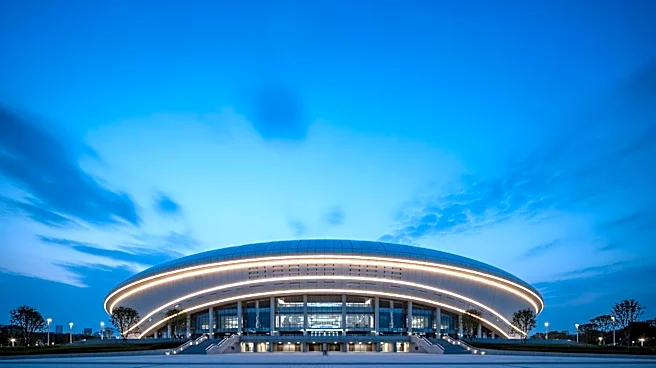








The Arena Fonte Nova, located in Salvador, Bahia, Brazil, stands as a testament to modern architectural design and functionality. Built on the site of the former Estádio Fonte Nova, this stadium has become a central hub for sports and entertainment in the region. With a seating capacity of 47,902, it serves as the home ground for Esporte Clube Bahia and has hosted numerous international events, including the 2014 FIFA World Cup.
Architectural Design and Features
The Arena Fonte Nova
was designed by a group of architects from Brunswick, Germany, who were also responsible for redesigning the Hanover stadium for the 2006 FIFA World Cup. The stadium's design pays homage to its predecessor by preserving the iconic horseshoe shape, which opens to the Dique do Tororó. This design not only honors the past but also provides a unique aesthetic that sets it apart from other modern stadiums.
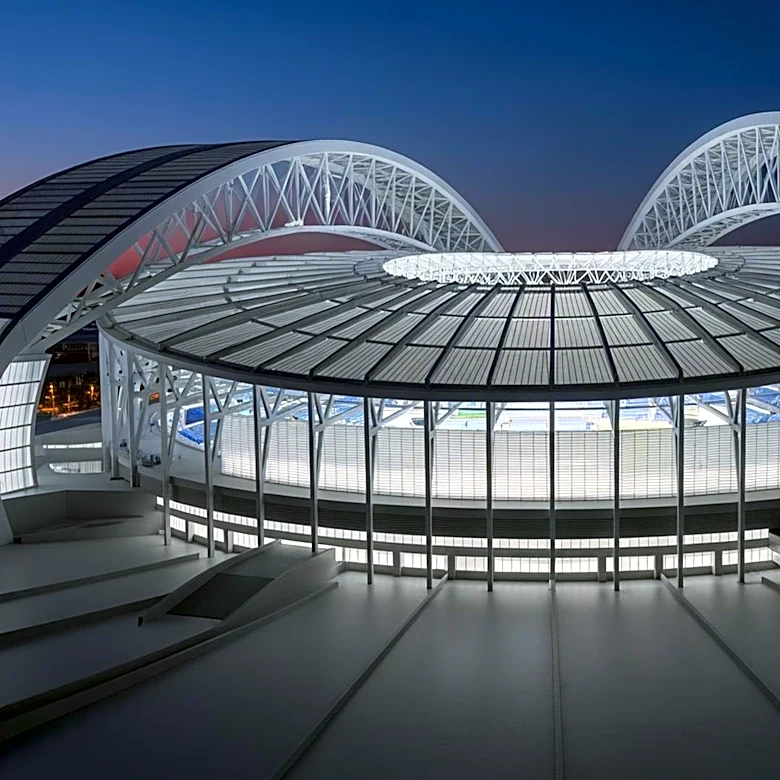
One of the standout features of the Arena Fonte Nova is its roof, inspired by the AWD-Arena in Hanover. The roof is a lightweight metal structure based on the ray and ring system, covered with a PTFE membrane and supported by external pillars. This design ensures that all seats are covered, providing comfort to spectators regardless of weather conditions. The stadium's multipurpose model, based on the Amsterdam Arena, allows it to host a variety of events beyond football, including concerts and business gatherings.
Historical Significance and Events
The Arena Fonte Nova has played a significant role in hosting major international events. It was first used for the 2013 FIFA Confederations Cup and later for the 2014 FIFA World Cup, where it witnessed the historic 5-1 victory of the Netherlands over Spain. This match marked the biggest loss for a defending champion in World Cup history, adding to the stadium's storied legacy.
In addition to football, the stadium was a venue for the 2016 Summer Olympics football competition and the 2019 Copa America. Its inclusion in the list of venues bidding to host matches for the 2027 FIFA Women's World Cup further underscores its importance on the global stage.
Challenges and Renovations
The construction of the Arena Fonte Nova was not without challenges. Following a tragic collapse at the old Estádio Fonte Nova, which resulted in fatalities, the decision was made to demolish the old structure and build a new stadium. The new arena was inaugurated in April 2013, but not without initial issues. During its first match, some spectators experienced obstructed views due to blind spots, and there were reports of excessive dust and puddles. These issues were acknowledged by the responsible company, and efforts were made to address them.
Overall, the Arena Fonte Nova stands as a symbol of modernity and resilience, continuing to serve as a premier venue for sports and entertainment in Brazil.