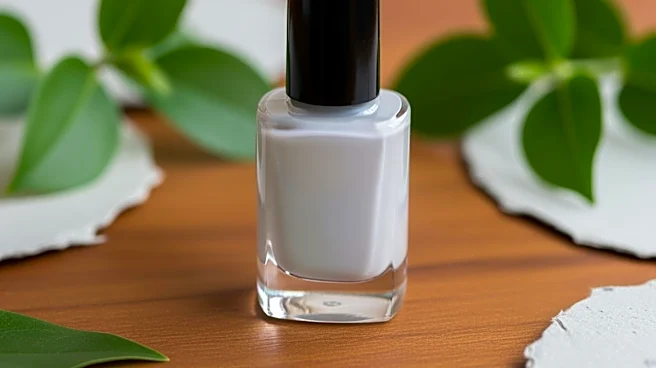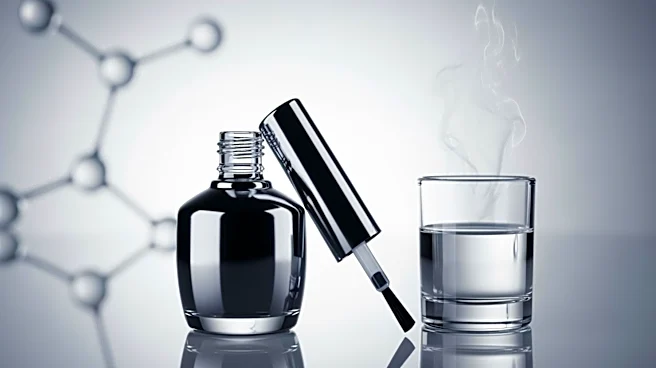

Nail polish is more than just a cosmetic product; it is a fascinating blend of chemistry and artistry. Understanding the chemical composition of nail polish and the processes involved in its application
and removal can provide insight into its durability and versatility. This article delves into the science behind nail polish and the solvents used to remove it, highlighting the innovations that have shaped its development.
Composition of Nail Polish
Modern nail polish is primarily composed of a film-forming polymer dissolved in a volatile organic solvent. The most common polymer used is nitrocellulose, which creates a durable film on the nail surface. This polymer is responsible for the polish's ability to adhere to the nail and maintain its color and finish.
In addition to nitrocellulose, nail polish contains various additives that enhance its properties. These include plasticizers, which increase flexibility and prevent cracking, and pigments, which provide color. The solvents, typically butyl acetate or ethyl acetate, evaporate quickly, allowing the polish to dry and harden on the nail.
The Role of Nail Polish Removers
Nail polish removers are essential for changing nail colors and maintaining nail health. The most common remover is acetone, an organic solvent that effectively dissolves the film-forming polymer in nail polish. Acetone is also used to remove artificial nails made of acrylic or cured gel.
An alternative to acetone is ethyl acetate, which is often combined with isopropyl alcohol. Ethyl acetate is less harsh than acetone and is usually the original solvent for nail polish itself. While effective, these solvents can be drying to the nails and surrounding skin, which is why some removers include moisturizing agents like oils and scents.
Innovations in Nail Polish Chemistry
The development of gel nail polish represents a significant advancement in nail polish chemistry. Gel polish uses a methacrylate polymer that is cured under UV light, creating a hard, durable finish that can last up to two weeks. This process involves free radical polymerization, where a photoinitiator or catalyst forms a terminal carbon radical upon light exposure, leading to chain propagation and cross-linking.
Despite its benefits, gel polish has raised concerns about potential health risks, such as contact dermatitis and respiratory toxicity. As a result, safer alternatives and improved formulations continue to be a focus for manufacturers. The ongoing innovation in nail polish chemistry ensures that consumers have access to products that are both effective and safe.