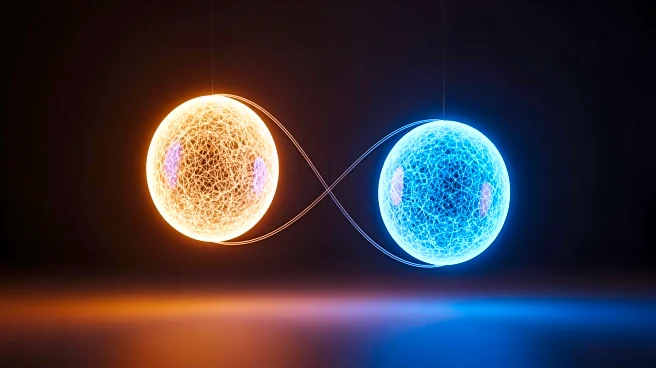




Motivation is a driving force behind human behavior, influencing how individuals engage with tasks and pursue goals. It can be broadly categorized into two types: intrinsic and extrinsic motivation. Understanding the differences between these two forms of motivation can provide valuable insights into why people act the way they do and how to foster motivation in various settings. This article explores the characteristics of intrinsic and extrinsic motivation and their
impact on behavior.
Intrinsic Motivation: Driven by Internal Factors
Intrinsic motivation arises from within an individual and is driven by internal factors such as enjoyment, curiosity, and a sense of fulfillment. When people are intrinsically motivated, they engage in activities for their own sake, finding the process itself rewarding. For example, a person who plays a musical instrument purely for the joy of playing is intrinsically motivated.
Intrinsic motivation is often associated with genuine passion, creativity, and personal autonomy. It tends to result in stronger commitment and persistence, as individuals are motivated by their own interests and values. In educational settings, intrinsic motivation is linked to high-quality learning and better retention of information. Factors such as a sense of autonomy and positive feedback from others can enhance intrinsic motivation, making it a powerful force for personal and professional growth.
Extrinsic Motivation: Influenced by External Rewards
Extrinsic motivation, on the other hand, is driven by external factors such as rewards, punishments, or recognition from others. People who are extrinsically motivated engage in activities to obtain a specific outcome or avoid negative consequences. For instance, a student who studies hard to earn good grades or avoid parental disapproval is extrinsically motivated.
While extrinsic motivation can be effective in encouraging certain behaviors, it may not always lead to long-term commitment or deep engagement. In some cases, the presence of strong extrinsic motivators, such as monetary rewards, can undermine intrinsic motivation. However, extrinsic motivation can be beneficial in situations where individuals need an initial push to engage in tasks they do not naturally find interesting or enjoyable.
Balancing Intrinsic and Extrinsic Motivation
In many cases, individuals experience a combination of intrinsic and extrinsic motivation. The key to fostering motivation is finding the right balance between these two forms. While intrinsic motivation is often more sustainable and fulfilling, extrinsic motivators can provide the necessary impetus to initiate action.
Understanding the differences between intrinsic and extrinsic motivation can help educators, employers, and individuals create environments that support motivation. By recognizing the unique contributions of each type, it is possible to design strategies that enhance motivation and lead to greater satisfaction and success in various areas of life.