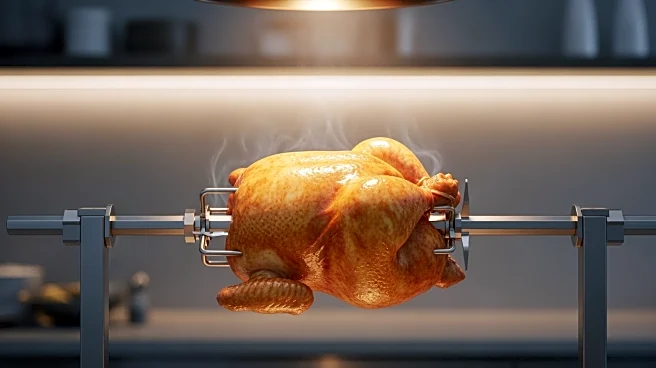




Rotisserie chicken is not only a culinary favorite but also a strategic business tool for grocery stores and retail chains. This ready-to-eat dish is often sold at a lower price than raw whole chickens, making it an attractive option for consumers seeking convenience and value. The economic strategies behind rotisserie chicken sales reveal a fascinating intersection of culinary appeal and business acumen.
Loss Leader Strategy
One of the primary business strategies employed
by grocery stores is using rotisserie chicken as a loss leader. This approach involves selling rotisserie chickens at a lower price to attract customers into the store. The logic is simple: once customers are drawn in by the appealing price of rotisserie chicken, they are likely to purchase other products, particularly higher-margin items such as side dishes and beverages.
This strategy not only boosts foot traffic but also increases overall sales, as customers often end up buying more than just the rotisserie chicken. By positioning rotisserie chicken as a loss leader, grocery stores can effectively drive consumer behavior and enhance their profitability.
Utilizing Near-Expiry Poultry
Another economic strategy involves using poultry that is nearing its "best by" date for rotisserie chicken production. Instead of discarding unsold chickens, grocery stores can cook and sell them as rotisserie chickens, thereby recouping some of their expenditures. This practice not only reduces waste but also maximizes the use of inventory, contributing to the store's bottom line.
By transforming near-expiry poultry into a desirable product, grocery stores can maintain their supply chain efficiency and offer consumers a fresh, ready-to-eat option. This strategy highlights the importance of resourcefulness and adaptability in the retail industry.
The Role of Retail Giants
Retail giants like Costco have mastered the art of selling rotisserie chicken as a key component of their business model. Costco, known as the "undisputed king of rotisserie chickens," sells millions of chickens annually at a consistent price point. This pricing strategy has remained unchanged since 2009, demonstrating Costco's commitment to providing value to its customers.
Costco's approach to rotisserie chicken sales is a testament to the power of consistency and consumer trust. By maintaining a stable price, Costco ensures that customers can rely on the affordability and quality of their rotisserie chickens, fostering brand loyalty and repeat business. This strategy underscores the significance of customer-centric practices in the retail sector.