
Sautéing is a cooking method that involves using a small amount of oil or fat in a shallow pan over high heat. This technique is known for its ability to quickly cook food while preserving its moisture
and flavor. Derived from the French word 'sauté,' meaning 'jumped' or 'bounced,' sautéing is characterized by the tossing motion used during cooking. This article delves into the specifics of sautéing, highlighting its unique aspects and how it differs from other cooking methods.
The Technique of Sautéing
Sautéing is a method that requires precision and attention to detail. The ingredients are typically cut into small pieces or thinly sliced to maximize the surface area, allowing for rapid cooking. The primary mode of heat transfer in sautéing is conduction, where the heat from the pan directly cooks the food. This method ensures that the food is browned while maintaining its texture, moisture, and flavor.
A key aspect of sautéing is the use of a shallow pan and a small amount of oil or fat. The pan must be large enough to hold all the ingredients in a single layer, allowing steam to escape and preventing the food from stewing. This setup promotes the development of fond, which is the flavorful residue left in the pan that can be deglazed to create a sauce.
Differences from Other Cooking Methods
Sautéing is often compared to pan frying, but there are distinct differences between the two. Pan frying typically involves larger pieces of food and more oil, whereas sautéing uses less oil and smaller pieces. Some cooks distinguish between the two based on the depth of the oil used, while others use the terms interchangeably.
Another method often confused with sautéing is searing. Searing involves browning only the surface of the food, whereas sautéing cooks the food through while also browning it. The choice of oil is crucial in sautéing, as oils with a low smoke point can burn quickly. Clarified butter, rapeseed oil, and sunflower oil are commonly used due to their high smoke points.
The Sautéing Process
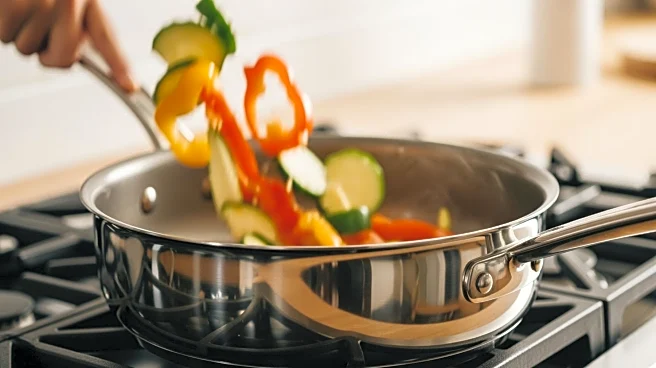
In sautéing, all ingredients are heated simultaneously and cooked quickly. The ingredients are rapidly moved around in the pan, either by using a utensil or by jerking the pan itself. This motion ensures even cooking and prevents the food from sticking to the pan.
The sauté pan typically has a wide flat base and low sides, maximizing the surface area for heating. The low sides allow for quick evaporation and escape of steam, which is essential for achieving the desired texture and flavor. The technique involves gripping the handle firmly and using a sharp elbow motion to jerk the pan back toward the cook, ensuring the ingredients are thoroughly tossed.
Sautéing is a versatile and efficient cooking method that enhances the natural flavors of food while maintaining its nutritional value. Understanding the nuances of this technique can elevate one's culinary skills and lead to delicious, well-cooked meals.