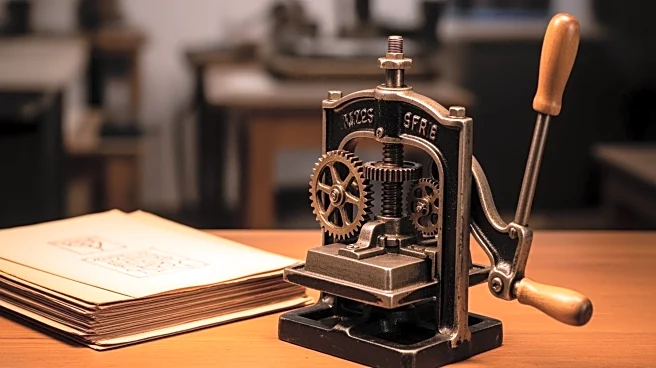




Nathaniel Currier was a pivotal figure in the world of American lithography, known for his role in co-founding the renowned firm Currier & Ives. Born in 1813 in Roxbury, Massachusetts, Currier's journey from a young apprentice to a leading lithographer is a testament to his skill and vision. His work not only captured the essence of 19th-century America but also set the stage for the mass production of art that was accessible to the general public.
Early Life and Education
Nathaniel Currier was born to Nathaniel and Hannah Currier in Roxbury, Massachusetts. His early education took place in public schools, but his formal schooling ended at the age of fifteen. At this young age, Currier was apprenticed to the Boston printing firm of William and John Pendleton. This apprenticeship was crucial as the Pendletons were the first successful lithographers in the United States, and it was here that Currier learned the intricacies of the lithographic process.
Currier's early exposure to lithography set the foundation for his future endeavors. The skills he acquired during his apprenticeship allowed him to move to Philadelphia in 1833, where he worked for M. E. D. Brown, a noted engraver and printer. This experience further honed his abilities and prepared him for the challenges of starting his own business.
Career and Currier & Ives
In 1834, Currier moved to New York City with the intention of starting a business with John Pendleton. However, when Pendleton backed out, Currier partnered with a local printmaker named Stodart. The partnership was short-lived, lasting only a year, but it marked the beginning of Currier's independent career in lithography.
By 1835, Currier had established his own lithographic business, initially focusing on printing sheet music, letterheads, and handbills. However, he soon shifted his focus to creating prints of current events, a move that would define his career. His print of the New York City fire in 1835 was an early example of illustrated news and sold thousands of copies.
In 1850, James Ives joined Currier's firm as a bookkeeper. Ives' business acumen and marketing skills were instrumental in the firm's growth, and by 1857, he became a full partner, leading to the formation of Currier & Ives. The firm became famous for its popular art prints, producing around 7,500 images over several decades.
Personal Life and Legacy
Nathaniel Currier married Eliza West Farnsworth in 1840, and they had one child, Edward West Currier. After Eliza's death in 1843, Currier remarried Lura Ormsbee in 1847. Beyond his professional life, Currier was a volunteer fireman in New York City during the 1850s and was known for his friendship with P.T. Barnum.
Currier retired in 1880, passing the business to his son Edward. He died in 1888 in Amesbury, Massachusetts, leaving behind a legacy that continues to influence the world of art and lithography. His work with Currier & Ives remains a significant part of American cultural history, celebrated for its depiction of 19th-century life and events.