





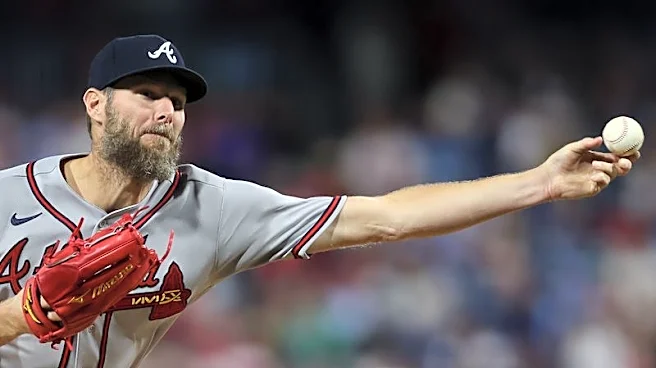
Chris Bosio's career in Major League Baseball is marked by his successful transition from a player to a respected pitching coach. After retiring from playing, Bosio embarked on a coaching journey that saw him contribute to several MLB teams, including the Seattle Mariners, Tampa Bay Devil Rays, Milwaukee Brewers, Chicago Cubs, and Detroit Tigers. This article explores Bosio's coaching career and his impact on the teams he worked with.
Early Coaching Career with the Mariners
Bosio began his
coaching career in 1998, shortly after retiring as a player. He joined the Seattle Mariners' organization as a special assignment pitching coach, a role he held until 2002. During this time, Bosio honed his coaching skills and developed a keen eye for talent.
In 2001, Bosio served as the pitching coach for the Triple-A Tacoma Rainiers, leading their pitching staff to the lowest earned run average in the Pacific Coast League. His work with future Major Leaguers like Brian Fuentes, Brett Tomko, and Joel Piñeiro demonstrated his ability to nurture and develop young talent. Bosio's efforts contributed to the Rainiers becoming co-champions of the PCL that year.
Success with the Chicago Cubs
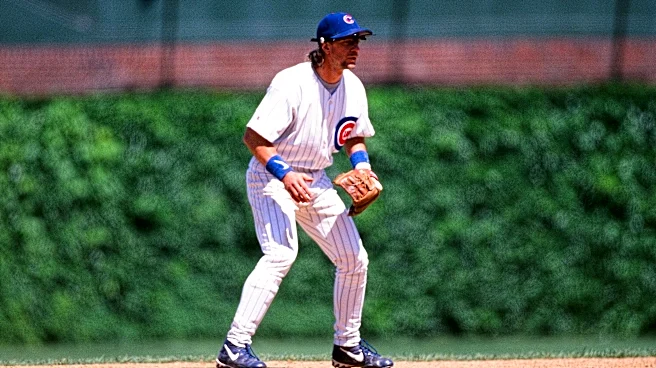
Bosio's coaching career reached new heights when he joined the Chicago Cubs in 2012. As part of team president Theo Epstein's revamping of the organization, Bosio played a crucial role in transforming the Cubs' pitching staff. His expertise and guidance were instrumental in the team's success, culminating in the Cubs' historic 2016 World Series victory, their first championship in 108 years.
Bosio's tenure with the Cubs was marked by his ability to adapt and innovate, helping pitchers refine their techniques and improve their performance. His contributions were recognized with a championship ring, a testament to his impact on the team's success.
Challenges and Controversies
Despite his achievements, Bosio's coaching career was not without challenges. In 2018, his contract with the Detroit Tigers was terminated due to "insensitive comments" that violated club policy. Bosio claimed the comments were misunderstood, but follow-up reports contradicted his account, leading to his dismissal.
This controversy highlighted the complexities of coaching in professional sports, where interpersonal dynamics and communication are crucial. Despite this setback, Bosio's legacy as a coach remains significant, with his contributions to various teams leaving a lasting impact.
In conclusion, Chris Bosio's journey from player to coach in Major League Baseball showcases his adaptability and dedication to the sport. His ability to develop talent and lead successful pitching staffs has made him a respected figure in the baseball community, despite the challenges he faced along the way.