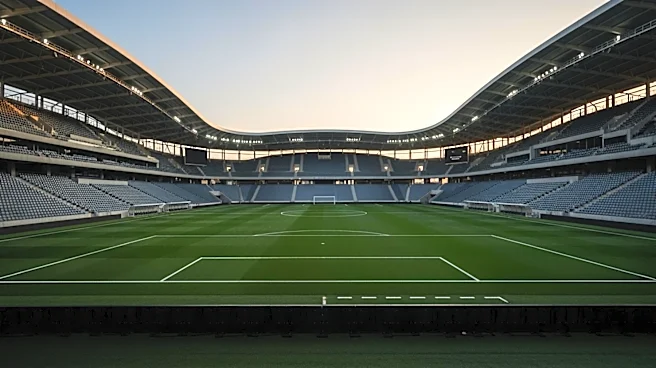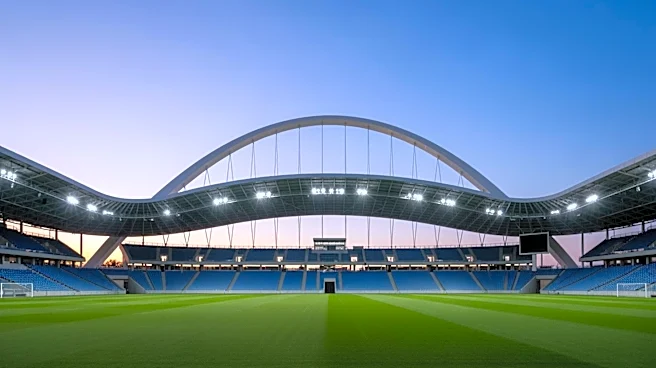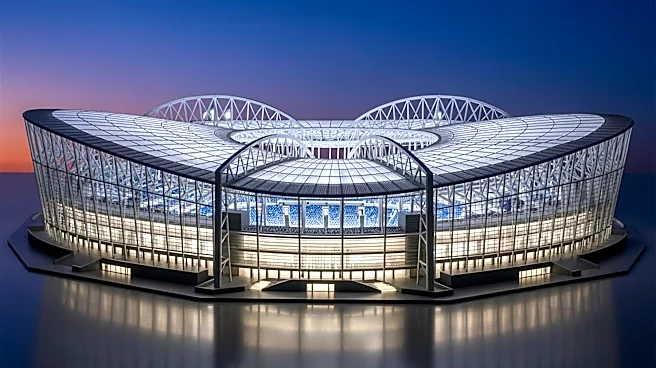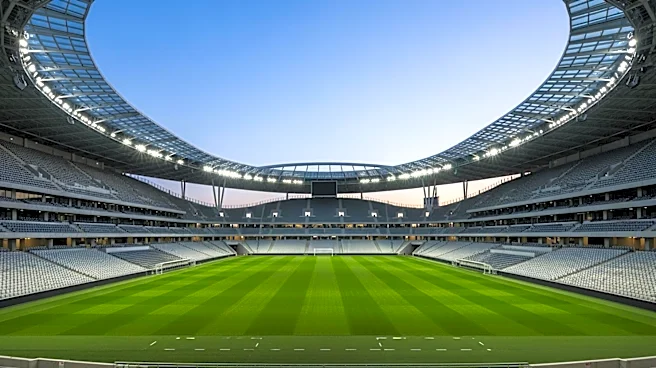



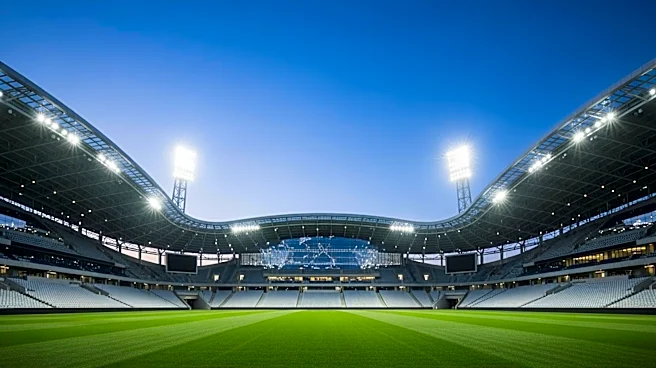
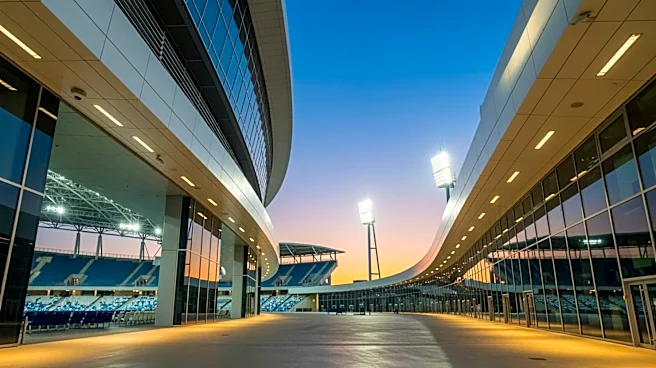
Daegu Stadium, also known as the Blue Arc, has established itself as a premier venue for international sports events. Located in Daegu, South Korea, this stadium has been the site of several high-profile competitions, including the 2002 FIFA World Cup and the 2011 World Championships in Athletics. Its capacity to host large-scale events has made it a key player in the global sports arena.
The 2002 FIFA World Cup
One of the most significant events in Daegu Stadium's history
is the 2002 FIFA World Cup. As one of the host venues, the stadium welcomed thousands of fans from around the world. It was the largest stadium in South Korea at the time, with a seating capacity of 66,422, allowing it to accommodate a large number of spectators.
During the World Cup, Daegu Stadium hosted several important matches. These included group stage matches such as Denmark vs. Senegal and Slovenia vs. South Africa. The stadium also witnessed a thrilling third-place match between South Korea and Turkey, which ended in a 2-3 victory for Turkey. These matches not only showcased the stadium's capacity to host international events but also highlighted its role in bringing global attention to Daegu.
The 2011 World Championships in Athletics
In 2011, Daegu Stadium once again took center stage as the main venue for the World Championships in Athletics. This event attracted athletes and spectators from all over the world, further solidifying the stadium's reputation as a world-class sports venue.
The stadium's design, which includes a grass surface and a tartan track, made it an ideal location for athletics. The field size and track dimensions allowed for a wide range of athletic events, from sprints to long-distance races. The successful hosting of the World Championships demonstrated Daegu Stadium's versatility and its ability to meet the demands of international competitions.
Continuing Legacy
Daegu Stadium's legacy as a hub for international sports events continues to grow. Its management by the Daegu Sports Facilities Management Center ensures that it remains a top choice for event organizers. The stadium's strategic location, approximately 11 kilometers from Daegu Airport, makes it easily accessible for international visitors.
As Daegu Stadium continues to host major events, it plays a crucial role in promoting sports and fostering international connections. Its history of hosting prestigious competitions has not only elevated its status but also contributed to the cultural and economic development of Daegu. The stadium remains a symbol of the city's commitment to excellence in sports and its ability to welcome the world.